People usually don’t think much about their gallbladder until it starts causing trouble. A sharp pain after meals. Discomfort that comes and goes. Sometimes nausea that does not quite make sense. When gallstones are found and surgery is advised, most of the questions come after the decision is made, not before.
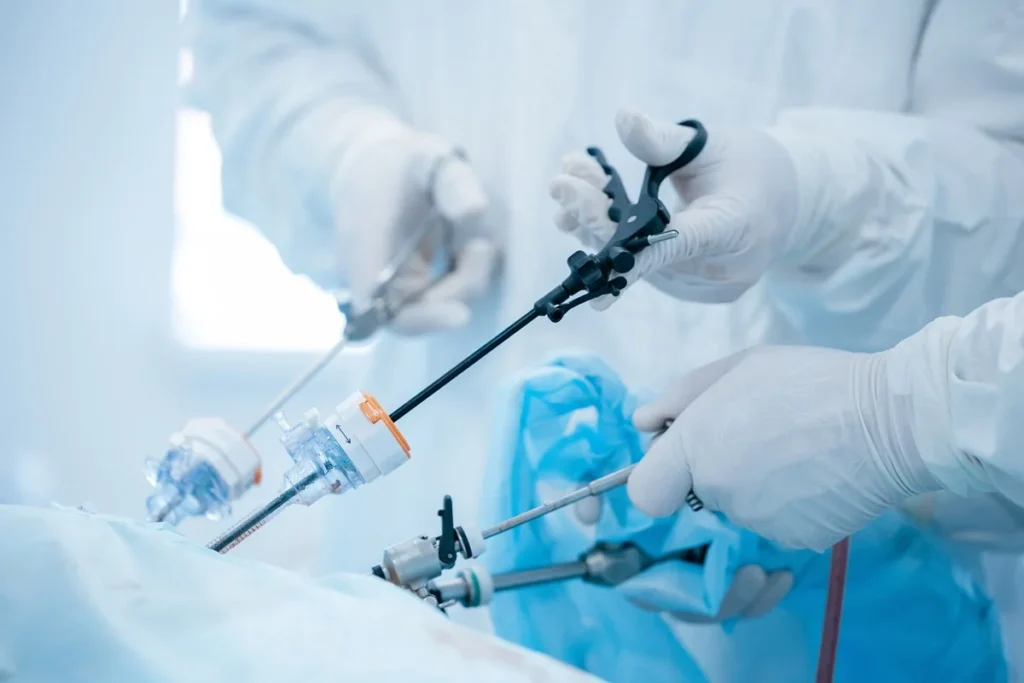
Laparoscopic surgery gallbladder removal is often recommended because it solves the problem at its source. Still, many patients are curious about what actually changes inside the body once the gallbladder is gone. The body does not stop working, but it does adjust, slowly and quietly.
The gallbladder stores bile, which helps break down fats. In gallstone disease, this storage process becomes unreliable. Stones form, bile flow gets blocked, and inflammation can follow. Pain becomes frequent. Digestive discomfort becomes predictable.
At the SPH Institute of Digestive and Liver Diseases, gallstone disease is one of the more common reasons patients are evaluated by the GI and HPB Surgery team. When symptoms keep returning or complications begin to appear, laparoscopic surgery gallbladder removal is advised because it removes the source of repeated irritation rather than managing symptoms alone.
The procedure is minimally invasive. Small incisions are used, and specialised instruments allow surgeons to work with precision. This matters because it reduces trauma to surrounding tissues and supports faster recovery.
Right after laparoscopic surgery gallbladder removal, the body focuses on healing. Internally, bile no longer gets stored. It flows directly from the liver into the intestine. This change begins immediately, even though most patients do not feel it right away.
In the first few days, what patients usually notice is soreness, fatigue, and a general sense of moving slower than usual. These are normal responses. Internally, digestion continues, but the body is learning a new pattern.
Doctors keep a close watch during this period. Recovery is assessed not just by how the incisions look, but by how the body responds overall.
One of the most common concerns relates to digestive changes after gallbladder removal. Without a storage system for bile, digestion can feel slightly different, especially at first.
Some people notice bloating or looser stools. Others notice very little. There is no single experience that applies to everyone. What matters is that the digestive system adapts over time.
Patients are often guided on how to ease back into normal eating habits. This is not about restriction, but about allowing the body to settle into its new rhythm.
The gallbladder removal recovery process is usually steady when surgery is done laparoscopically. Patients are encouraged to move early, resume light activity, and return gradually to routine tasks.
Recovery also involves reassurance. Many patients feel relief once the recurring pain is gone. Others need time to trust their body again. Follow-up visits help address questions that arise after discharge, not just on the day of surgery.
This is where experience matters. Recovery is smoother when patients feel supported rather than rushed.
Over time, most people stop noticing any difference at all. The liver continues producing bile. Digestion continues. Meals become comfortable again.
A post laparoscopic surgery effect may appear as temporary sensitivity to certain foods, but this usually improves. The body adjusts without conscious effort from the patient.
This quiet adaptability is why laparoscopic surgery gallbladder removal is widely used for treating gallstone disease.
Gallbladder surgery may sound straightforward, but diagnosis and decision-making require experience. The signs are not always specific, which can make diagnosis less straightforward. Careful evaluation ensures surgery is truly needed.
As a laparoscopic surgery hospital, the department at the SPH Institute of Digestive and Liver Diseases handles a wide range of gastrointestinal, liver, pancreatic, and biliary procedures. Minimally invasive surgery is offered alongside open surgery when required.
Patients benefit from a system where diagnosis, surgery, and follow-up are part of the same care pathway.
Having access to a laparoscopic surgery specialist in Delhi matters because gallbladder disease does not always present in textbook fashion. Pain patterns vary. Digestive symptoms overlap. Test reports matter, but they don’t tell the whole story on their own.
The department functions within a multidisciplinary framework, involving gastroenterologists, radiologists, and other specialists when needed. This reduces uncertainty and improves outcomes.
Over time, this approach has led many patients to recognise the institute as the best hospital for laparoscopic surgery in Delhi NCR, based on consistency rather than claims.
For most patients, life after surgery feels simpler. The pain that interrupted meals disappears. Digestive discomfort fades. Daily routines return.
Understanding what happens inside the body helps reduce anxiety. When the body begins to settle, people feel more confident about recovery.
For most people, gallbladder surgery simply means fewer interruptions to daily life and less pain around meals.
At Sant Parmanand Hospital Kashmere Gate , we stay with patients through diagnosis, surgery, and recovery, keeping the process clear and manageable.