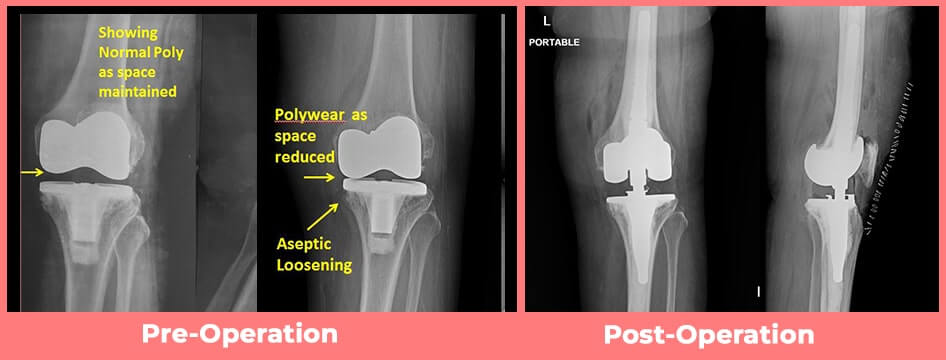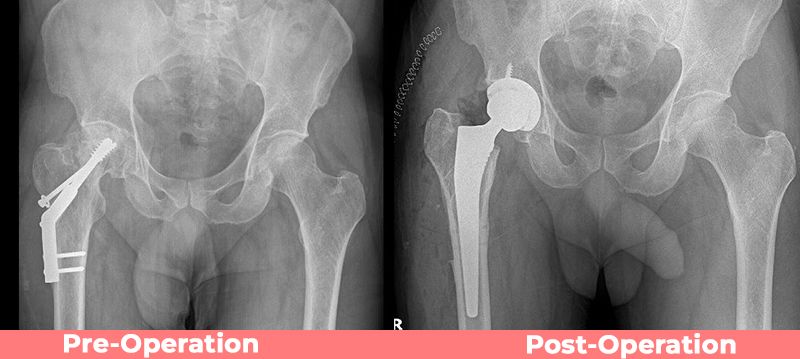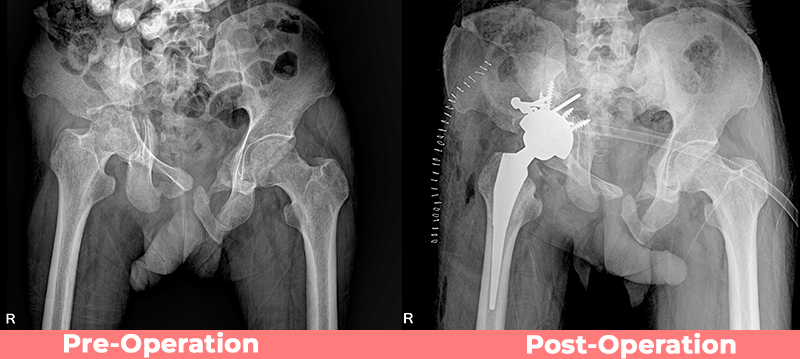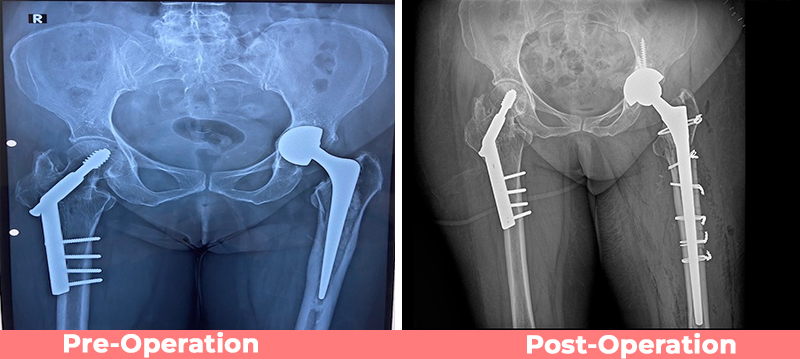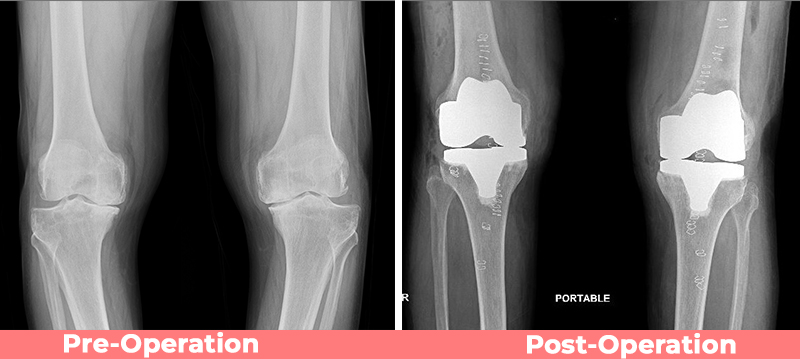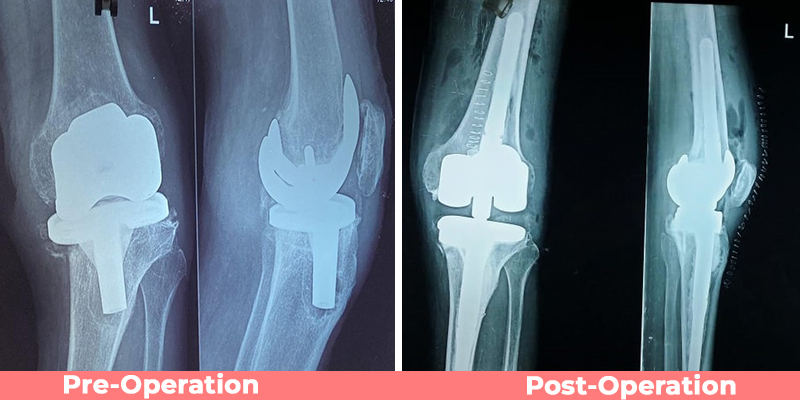
People often spend weeks thinking about the surgery itself. The recovery questions usually come later. How soon will the knee bend without hesitation? When will walking feel less guarded? How long before daily movement stops feeling like an effort?
These concerns are common, especially for people who have lived with knee pain for years. What has shifted in recent times is how recovery tends to unfold after surgery. With robotic assistance, many patients describe the process as steadier and easier to follow, particularly at the best robotic knee surgery hospital in Delhi NCR, where this approach is used regularly.
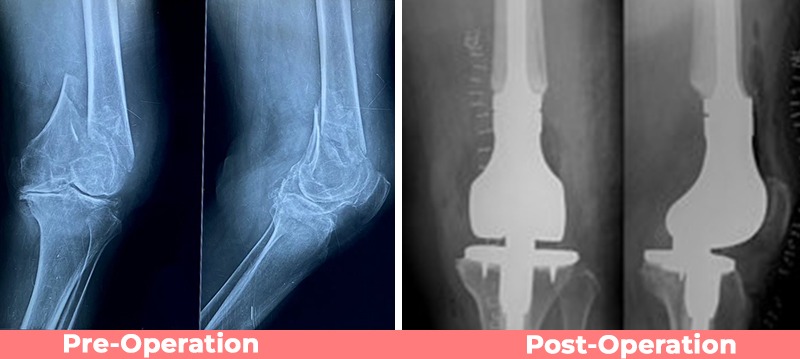
Knee replacement is not just about replacing a joint. Every knee has its own alignment, wear pattern, and movement habits. Traditional surgery works well, but it often relies on measurements that are adjusted during the operation.
With robotic surgery, much of the planning happens before the operation, based on how that particular knee moves. When surgery is built around the individual knee rather than a standard model, recovery often feels less unpredictable. This difference becomes noticeable during robotic knee surgery replacement, where precision matters more than force.
Much of what patients feel after surgery is influenced by what happens before the first cut. Robotic planning allows surgeons to decide implant size and position in advance, reducing the need for repeated adjustments during surgery.
Because surrounding tissues are handled more carefully, swelling and stiffness may ease sooner. This influences robotic knee replacement recovery time, even if patients are not aware of the planning that made it possible.
This approach is routine at the best robotic knee surgery hospital in Delhi NCR, where preparation is treated as part of recovery rather than a separate step.
Patients often describe an early sense of stability. There is soreness, as expected, but the joint itself feels more predictable. This is closely linked to accurate alignment and reduced soft tissue disturbance.
These early experiences reflect the minimally invasive knee surgery benefits people often mention. When muscles and ligaments are respected, movement feels less forced. This makes early physiotherapy feel more manageable.
Pain usually eases, but alignment issues can linger. Even minor errors can affect balance and walking comfort.
Robotic planning helps the knee feel more natural while moving. That early stability encourages confidence and steady recovery, which is why outcomes tend to be more reliable at the best robotic knee surgery hospital in Delhi NCR.
Pain is part of recovery, but how it settles makes a difference. When the surgery is precise, pain is usually easier to manage, and many patients don’t need strong medication for long. With fewer side effects, people usually find it easier to keep moving during rehab.
Faster recovery does not mean pushing harder. In many cases, robotic surgery allows rehabilitation to move at a comfortable pace. The focus is simply on getting the knee moving comfortably again.
Patients usually regain confidence gradually. Standing feels easier. Walking improves. Climbing stairs comes later. Because movement often feels more natural early on, hesitation reduces. This pattern is common with robotic surgery for knee procedures.
Robotic systems support surgeons, but they do not replace experience. Teams need familiarity with the technology and a clear post-surgery pathway.
Centres that perform robotic knee replacement regularly develop consistency. Planning, surgery, and rehabilitation follow familiar patterns. This reduces surprises and helps patients know what to expect.
That consistency plays a role in smoother recovery timelines at the best robotic knee surgery hospital in Delhi NCR.
Robotic knee replacement is often recommended for patients with complex wear patterns, alignment concerns, or previous surgeries. Precision becomes especially important in these cases.
At the same time, many people with routine arthritis also benefit. Suitability depends on individual assessment rather than a fixed rule.
Physical healing is only part of recovery. Confidence plays a quiet but powerful role. Patients who feel steady earlier tend to move more freely. That movement reinforces strength and balance.
When progress feels gradual and consistent, anxiety reduces. This emotional aspect supports long-term recovery more than most people realise.
Robotic knee surgery does not remove the need for rehabilitation, but it often reduces unnecessary strain along the way. Careful planning, accurate alignment, and controlled technique work together to support steadier healing.
At Sant Parmanand Hospital Kashmere Gate, robotic knee replacement is planned carefully, with teams focusing on steady recovery rather than speed.
Because the surgery is planned more precisely, there’s less unnecessary disturbance to surrounding tissue, which helps the knee settle and move sooner.
Smaller, more controlled incisions usually mean less swelling and pain, making it easier to start walking and physiotherapy early.
More accurate placement helps walking feel steadier sooner.
When surgery is more controlled and predictable, pain and stiffness are easier to manage, allowing patients to become mobile and stable faster.
Better planning and precision reduce strain on muscles and ligaments, which lowers the chances of imbalance, excess pain, or delayed healing.