When patients hear that more than one artery is blocked, the reaction is usually quiet at first. They nod. Then the questions begin. Does this mean surgery? Is it dangerous? Can everything be fixed at once?
Multi-vessel blockages are not rare. In fact, many people who come for evaluation do not have a single narrowing but two or three arteries that need attention. Managing that situation requires patience, judgement, and careful sequencing. That is often why patients begin searching for the best angioplasty doctor in Delhi when they learn their case is more complicated than expected.

On paper, angioplasty sounds straightforward. A balloon widens the artery. A stent keeps it open. Blood flow improves.
In reality, when more than one vessel is involved, the plan becomes layered. Which artery is causing symptoms? Which blockage is most critical? Should everything be done at once, or would it be better to take it step by step?
Experienced angioplasty doctors do not rush these decisions. Echo, stress tests, and angiography give a clearer picture of which vessels are blocked and how much it is affecting the heart.
In complex cases, much of the work happens before the catheter is even inserted. Imaging helps map the coronary arteries in detail. Some vessels are straight and easy to navigate. Others are curved or heavily calcified.
When patients consult the best angioplasty doctor in Delhi, what often sets the experience apart is not speed but preparation. Reviewing scans carefully. Discussing options. Deciding whether all blockages should be addressed together or separately. Many patients simply want to know they are sitting across from an angioplasty best doctor who will look at the full picture before deciding the next step.
This thoughtful approach reduces unnecessary strain during the actual procedure.
The procedure itself is still done through a small entry point, most often the wrist. A thin tube is gently guided to the blocked area, and once there, the narrowed portion is opened and supported with a stent if required.
When more than one artery is involved, the same steps may need to be carried out in different areas. Modern angioplasty procedure techniques help doctors work carefully through bends, branches, and longer blockages without putting unnecessary strain on the heart.
Sometimes the safest choice is to fix the most dangerous blockage first and plan another session later. It really depends on how the patient is doing during the procedure and how well the heart is coping.
Not all blockages are simple. Some involve artery branches. Others are hardened with calcium. These cases demand steady hands and clear judgement.
An experienced angioplasty surgery specialist understands when additional tools are needed and when caution should guide the pace.
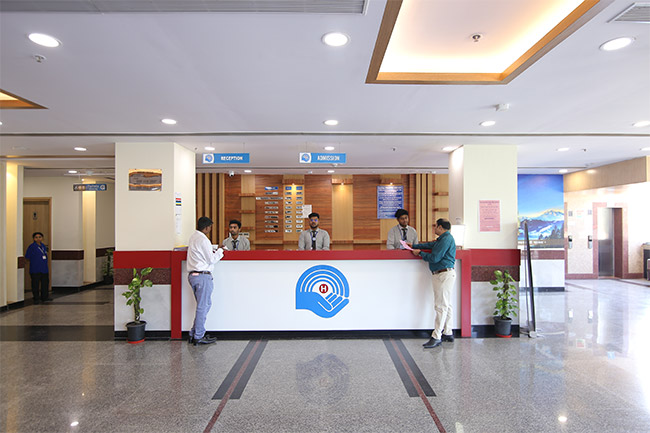
At Sant Parmanand Hospital Kashmere Gate, we see multi-vessel disease often enough to know that no two cases look exactly alike. Some patients walk in with stable symptoms. Others arrive during an emergency. The approach adapts accordingly.
Advanced imaging systems inside modern catheterization labs provide clear, real-time views of blood flow. This reduces guesswork.
The machines are there, but the real focus stays on how the patient is doing moment to moment. Blood pressure, rhythm, oxygen levels, everything is watched carefully as the procedure moves forward. When a doctor performs angioplasty in complex cases like these, constant monitoring is just as important as opening the artery itself.
It’s not only about clearing the blockage. It’s about making sure the heart stays stable while everything is being done.
Many patients are surprised to learn that recovery after multi-vessel angioplasty is often manageable. Most people return home within one or two days if stable.
Follow-up becomes especially important. Medications help prevent clot formation. Recovery continues with regular guidance, gradual exercise, and attention to everyday habits.
Patients frequently compare options across cities. Some patients even compare options in other cities, including looking up the best angioplasty doctors in Delhi NCR, before making a decision. Ultimately, what makes a difference is not geography but coordinated follow-up and clarity of communication.
If a heart attack is in progress and more than one artery is blocked, the immediate priority is restoring flow in the artery causing the attack. Other blockages may be treated later.
This staged strategy reduces stress on the heart. It reflects judgement developed through experience rather than routine repetition.
Most patients looking for the best angioplasty doctor in Delhi want to feel that their case will be handled thoughtfully, not automatically.
Fixing the blockage is one step. What keeps things stable afterward is staying on medication, keeping an eye on blood pressure and sugar, and not slipping back into old habits.
This broader approach is part of why patients continue to seek the best angioplasty doctor in Delhi for complex coronary artery disease. Treatment is not viewed as a one-time event, but as part of a longer relationship with heart health.
Multi-vessel blockages can sound overwhelming at first. Even then, this is something cardiologists deal with regularly, and the results are usually reassuring.
At Sant Parmanand Hospital, we handle these situations calmly, one at a time. Assessment comes first and then decisions are explained clearly. Procedures are carried out with precision, and recovery is supported with structured follow-up.
Complex heart disease requires calm thinking. After that, it comes down to staying consistent. Taking medicines properly. Keeping an eye on blood pressure and sugar. Making small changes that protect the heart over time.
Good imaging and proper tools help doctors manage tougher blockages more safely.
Treating one artery at a time can reduce strain on the heart and allows the body to recover steadily between sessions.
Detailed imaging shows exactly where the narrowing sits and how severe it is, helping doctors decide the safest path forward.
In some cases, combining angioplasty with other treatments offers better long-term stability when blockages are complex.
Tests like echo and angiography give a clearer idea of how much the blood flow is affected and where to focus first.