These days, when people hear the word surgery, the first thing they ask is usually, “Is it minimally invasive?” And honestly, it makes sense. Smaller cuts, less discomfort, and an easier recovery make the whole process feel far less stressful. So it’s no surprise that the best general surgeon in Delhi chooses minimally invasive tools whenever they’re the right fit. They keep things accurate while sparing the patients unnecessary discomfort.
Not too long ago, most surgeries meant larger cuts, longer hospital stays, and weeks of slow recovery. But medical tools and techniques have changed, and so have the patient’s expectations. People now want approaches that can help them get out of bed sooner, return to work faster, and feel less anxious about the whole experience.
This is where minimally invasive tools really help. Many surgeons prefer them simply because they help them work with accuracy while keeping the whole experience easier on the patient.
For most surgeons, the shift to minimally invasive tools isn’t about trend or convenience. It just helps them do the job with more clarity and less strain on the patient. The newer tools give surgeons a clearer look inside and let them work around sensitive spots without any big cuts. It makes the whole process smoother and helps them stay more steady with the finer details.
For the patient, the benefits show up right away. Smaller incisions heal faster. Pain levels stay manageable. There is less scarring and fewer stitches to take care of. Even the hospital stay gets shorter. For anyone searching for a general surgeon near me, these practical advantages often bring a sense of relief.
Many common procedures today are handled with minimally invasive tools. Gallbladder issues, hernias, appendix problems, and even some abdominal surgeries are now routinely done with tiny entry points. A general surgeon specialty includes a wide variety of conditions, and minimally invasive methods help provide smoother recovery in many of them.
At Sant Parmanand Hospital, we often see that people walk in nervous but walk out surprised at how manageable the postoperative period feels. When the technique limits how much the body is disturbed, the recovery naturally becomes gentler.
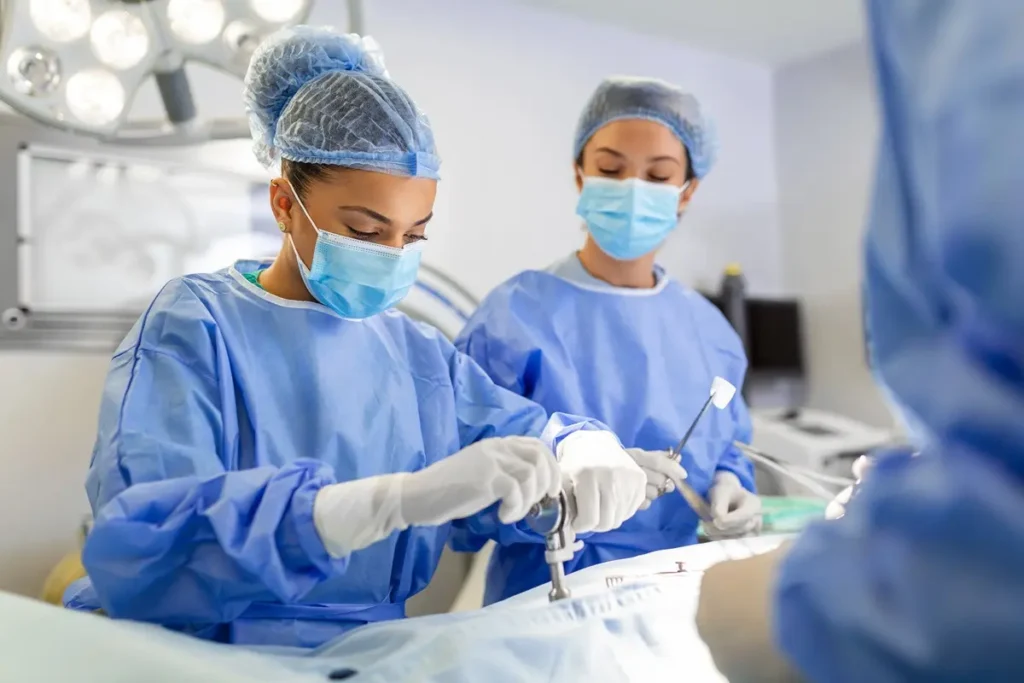
Even though the cuts are smaller, the level of control is high. Cameras attached to thin scopes give surgeons a magnified view of internal organs. Light, flexible instruments allow them to move with accuracy. For surgeons who value technique, these tools become an extension of their hands.
That is why the best general surgeon in NCR pays close attention to using the right tool for the right case. Minimally invasive methods aren’t about doing less; they are about doing the same work more thoughtfully and leaving less strain on the patient.
One of the clearest changes patients notice after minimally invasive surgery is how quickly life begins to feel normal again. Since the body doesn’t have to heal from a large cut, energy returns sooner. People can sleep more comfortably, walk with ease, and even return to their routine in a shorter span.
For families, too, the process is less overwhelming. Instead of long lists of restrictions, they often need only to focus on rest, light movement, and simple wound care. A general surgeon doctor usually explains these steps in a simple, calm way so the patient knows exactly what to do.
Some problems can’t be handled through tiny openings, and that’s when open surgery becomes the more reliable choice. It is more about what will keep the patient safest. A good surgeon can tell when it’s time to switch methods.
The best general surgeon in Delhi leans on years of experience for these decisions, using technology where it fits and going traditional when the body needs more room.
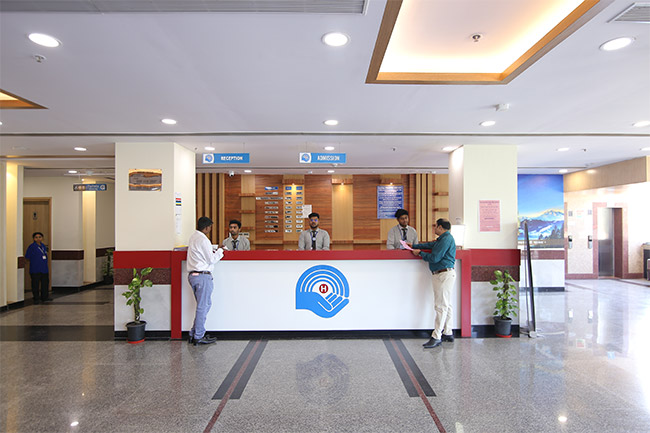
Having every service in one hospital means you aren’t travelling back and forth for tests or advice. The doctors coordinating your care can talk easily, and the whole process feels more manageable.
For people who may already feel anxious or need more assistance, that kind of environment makes a big difference in keeping things relaxed.
Surgeons don’t work alone. They rely on anaesthesiologists, nurses, technicians, and physiotherapists. Each person adds to the overall experience. When everyone is trained in handling minimally invasive cases, the rhythm of care feels steady and predictable.
This team-based approach is something we see often at Sant Parmanand Hospital. Our team understands that surgery is not just a procedure but a moment of vulnerability for the patient. When every hand knows what to do, patients feel safe.
Whenever someone is booked for minimally invasive surgery, a few common questions come up. Will it hurt? How long will I need help at home? When can I walk comfortably? The answers usually bring relief. Pain is typically manageable, walking often begins the same day or the next, and most people return to normal movement in a surprisingly short time.
Hearing this directly from the best general surgeon in Delhi often eases a lot of stress. People realise that modern surgery isn’t as intimidating as it once felt.
As technology grows, these tools continue to evolve. Cameras get smaller, machines get sharper, and methods become more refined. This means that more surgeries will shift toward minimally invasive options in the future.
For patients, it means shorter downtime. For surgeons, it means greater accuracy. And for hospitals, it means care that keeps pace with global standards. A patient coming in while searching for the best general surgeon in NCR often expects these advancements, and rightfully so.
Minimally invasive tools help, but what really shapes the experience is how the hospital puts everything together. The training, the teamwork, and the way doctors speak to patients make a bigger difference than most people realise. At Sant Parmanand Hospital Kashmere Gate, the effort goes into making sure people feel informed and supported, not rushed.
When the technique is right and the team works smoothly, patients usually feel more at ease and recover with fewer worries. Because of this calm, consistent way of working, many people feel safer turning to the best general surgeon in Delhi when they need someone they trust.
It helps to ask why the surgery is needed, what the recovery usually feels like, and whether there are other options. Most surgeons appreciate it when you’re honest about your worries and want things explained clearly.
They’re the ones who handle many of the common surgeries we often hear about, from hernias to gallbladder issues. When medicines aren’t enough, they step in to fix the problem safely.
When scars are smaller and heal neatly, people tend to feel more comfortable getting back to their routine. It’s simply easier to move forward when the reminder of the surgery isn’t front and center.
You meet a general surgeon when something in the body needs surgical repair. They walk you through what’s going on, what will help, and what to expect afterward so you feel supported through the process.