Regular metro travel affects the body more than people usually expect. Crowded trains, uneven footing, sudden pushes, and long hours of standing take a steady toll on joints, especially for office-goers.
Over time, the strain stops feeling like something that will pass. A short walk starts leaving the knees sore. Getting off the train feels stiff and awkward. Even station stairs take more effort than before. Most people shrug it off as everyday fatigue, but it is often the joints quietly asking for a break.

Unlike people with sedentary routines, daily commuters put their joints through repeated micro-impact. Standing in moving trains forces the knees and hips to constantly stabilise the body. Sudden braking causes reflex strain. In crowded trains, you end up standing at odd angles just to stay upright, and one side of the body usually takes more strain.
Most commuters also carry weight on one side, a backpack, a laptop bag, or a handbag, and over time the body quietly adjusts in ways that are not always kind to the joints. Over months and years, this contributes to cartilage wear, joint inflammation, and reduced mobility. For many, pain does not come from injury, but from repetition.
Most commuters adjust quietly at first. They choose escalators over stairs. They slow down their walking pace. They sit more at home to recover. They feel like small compromises, until daily movement starts to feel like effort.
When joint pain starts interfering with getting to work or managing the daily commute, people usually look for proper Joint pain treatment in Delhi NCR. By then, it’s not only about easing the ache. but about being able to move freely again, without every step needing extra thought.
Doctors usually begin with conservative care such as physiotherapy, posture correction, weight management, and medication. For many commuters, this is enough to regain control early.
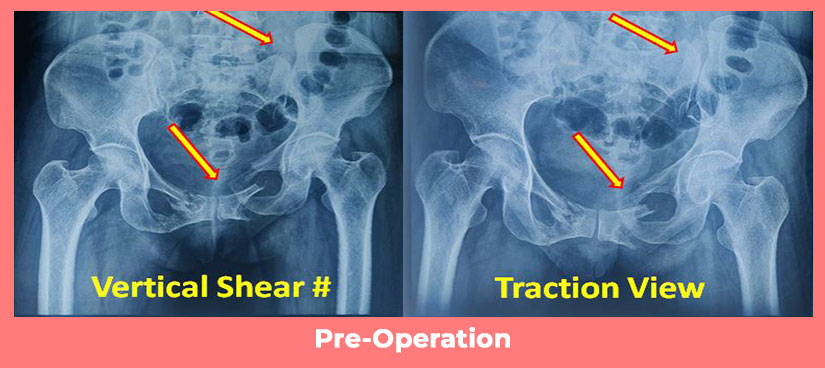
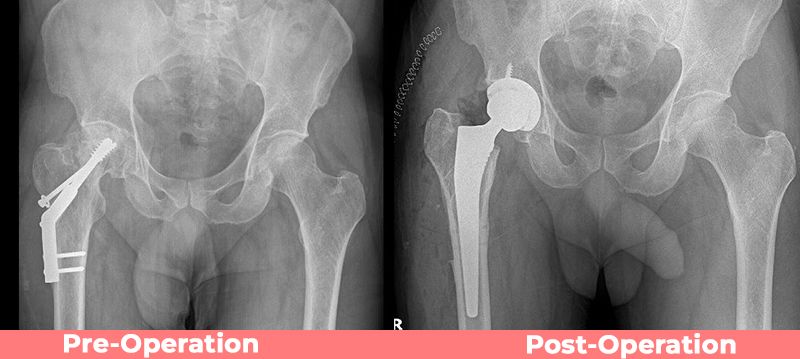
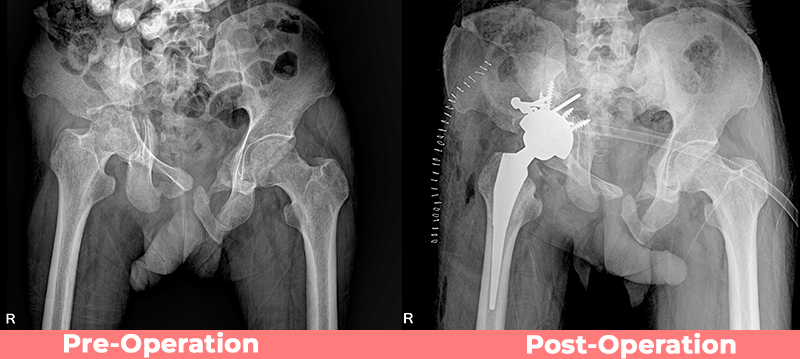
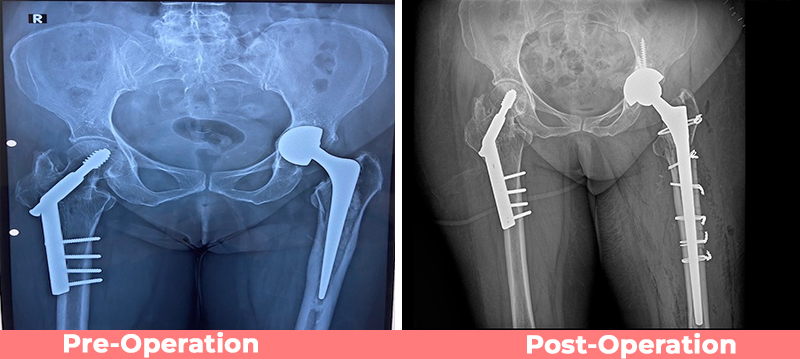
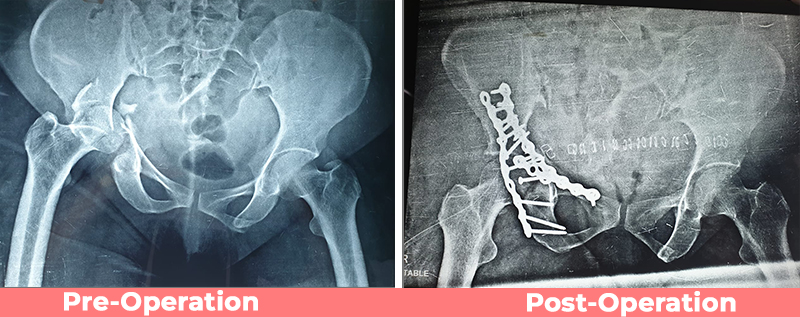
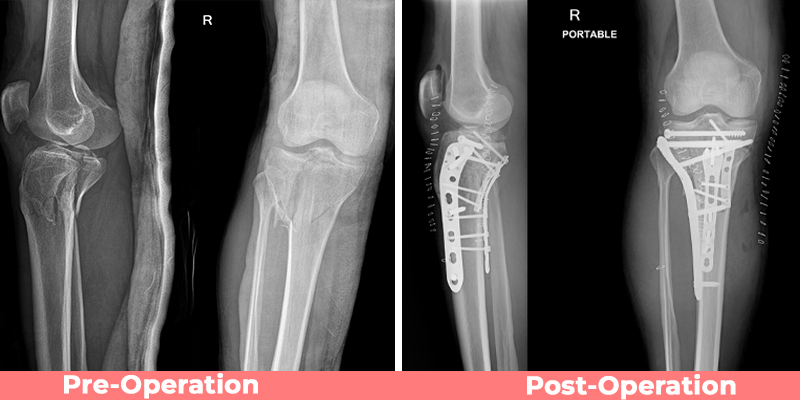
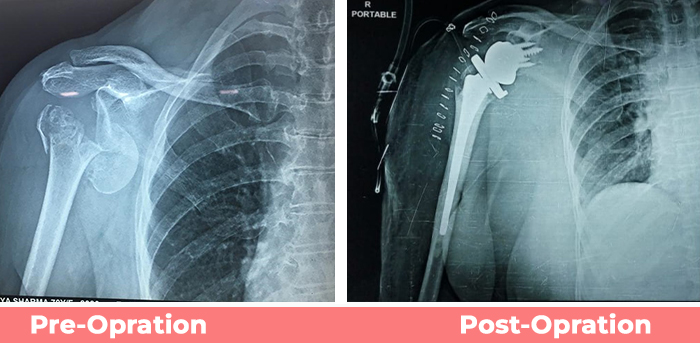
For a few commuters, the pain might continue even after trying all the usual non-surgical options. Long-standing arthritis, severe cartilage loss, or deformity can make movement consistently painful. At this point, joint replacement surgery becomes an option worth discussing.
This decision is never taken lightly. For working professionals and daily commuters, the biggest worry is how surgery will affect routine life. People usually start thinking about very basic things, like when they can get back to work and whether daily travel will feel manageable again.
Modern joint replacement surgery focuses not just on fixing the joint, but on helping people return to daily function faster and more safely.
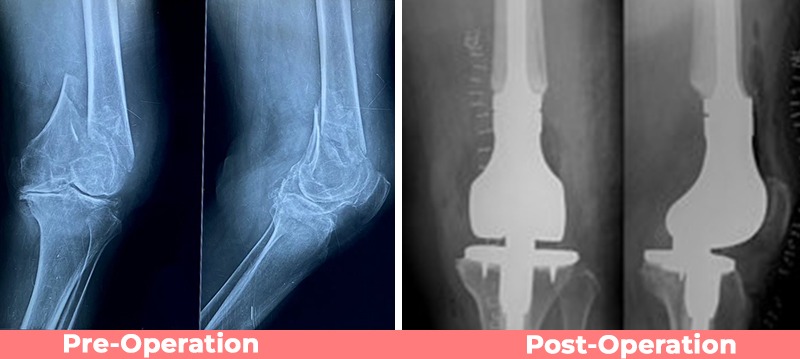
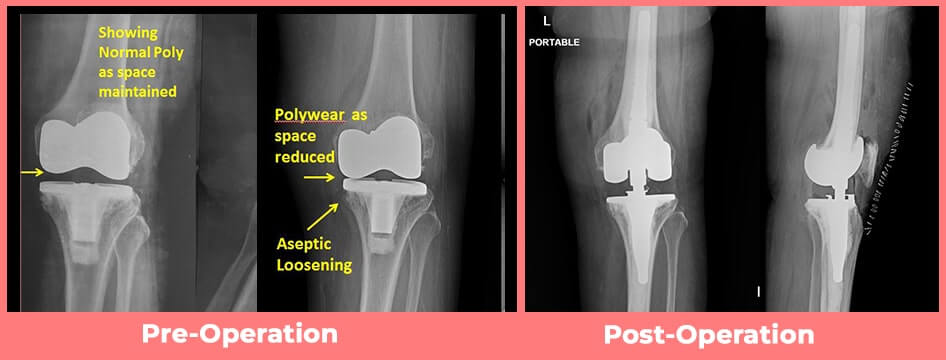
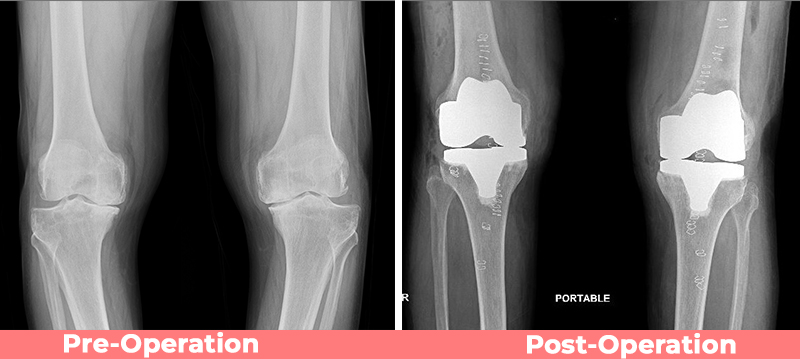
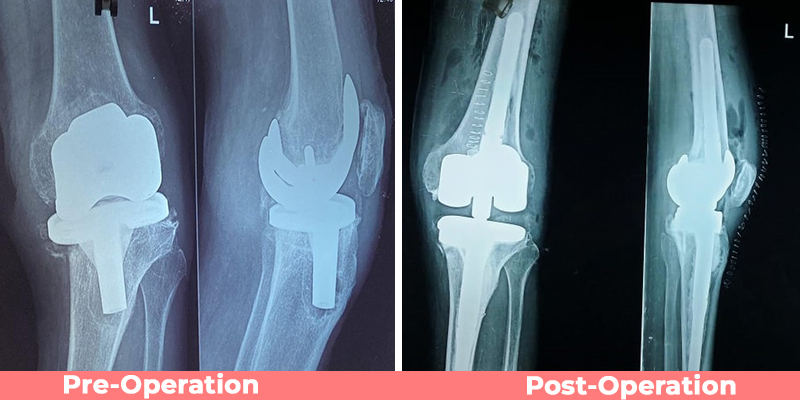
Among commuters, the knee joint is most commonly affected. Standing with slight flexion, absorbing crowd pressure, climbing stairs, and walking long corridors place constant load on the knees. This is why joint replacement surgery knee procedures are among the most frequently discussed options for long-term commuters with advanced arthritis.
Knee replacement isn’t handled the way it once was. Today, the effort goes into making sure the knee feels steady and dependable in daily life, not just repaired in a medical sense.
In well-equipped joint replacement centres across Delhi NCR, surgeons now use robotic support to place implants more accurately. Robotic systems help surgeons map the joint more precisely, allowing better implant placement and alignment.
For daily commuters, this level of precision shows up in small ways. Standing through a crowded ride feels less tiring, walking in tight spaces feels steadier, and there’s less of that constant awareness of the joint with every step.
With shorter hospital stays and a clear rehab plan, many working professionals find they can recover without putting their entire routine on pause.
One of the biggest misconceptions about surgery is that recovery means months of inactivity. Most recoveries move forward in stages, with doctors and therapists adjusting things as you go.
Patients are encouraged to move early, build strength steadily, and regain balance in stages. With a gradual recovery plan in place, many commuters are able to ease back into travel sooner than expected, making small changes along the way.
For many people, the change after surgery is felt in small, everyday ways. Walking feels steadier, standing for longer stops being tiring, and the constant worry about sudden pain slowly fades. When that happens, daily travel starts feeling manageable again instead of exhausting.
For commuters, accessibility, coordination, and continuity of care are critical. An orthopedic hospital for commuters needs to understand the practical challenges patients face, from scheduling appointments around work hours to planning rehab that fits daily routines.
Hospitals equipped with dedicated orthopaedic teams, modern operation theatres, physiotherapy support, and emergency services tend to provide smoother experiences. This is why many patients focus on finding a top joint replacement surgery hospital in Delhi NCR that offers both technical expertise and organised care.
Not every commuter with joint pain needs surgery. Early intervention, guided physiotherapy, and lifestyle adjustments can delay or even avoid it. But when surgery becomes necessary, choosing a centre experienced in joint replacement surgery makes the journey more predictable and less stressful.
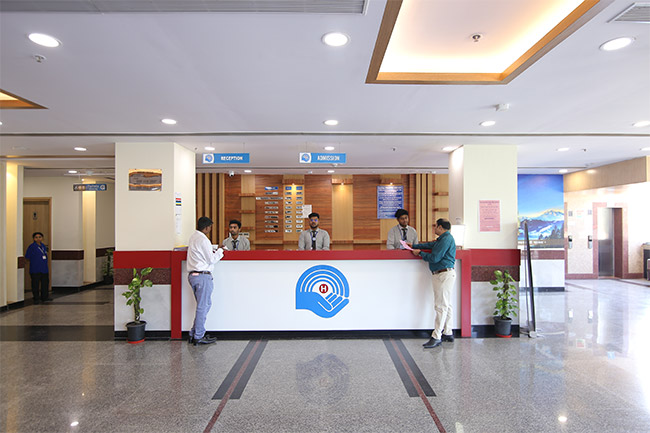
At Sant Parmanand Hospital, the focus stays on walking patients through the entire process, from the first consultation to getting back on their feet. The orthopaedic team handles knee, hip, and other joint procedures regularly, and uses modern tools where they genuinely help, always keeping day-to-day movement as the end goal.
For people who rely on the metro every day, joint pain quietly creeps into work, travel, and independence. Acting early keeps small problems from becoming daily struggles.
When care comes in at the right moment, even a long, crowded commute can start feeling easier again. At Sant Parmanand Hospital, the idea is to make daily movement feel manageable again, not something people have to brace themselves for.
Crowded coaches, sudden jerks, and long periods of standing keep the joints under constant stress. Over time, the knees and lower back start to feel the strain.
The knees usually take the biggest hit, followed by the lower back and hips. Daily standing with added bag weight makes it worse.
Several hospitals near major metro stations offer evening OPDs for working people. Sant Parmanand Hospital is one such option that fits commuter schedules.
Wearing supportive shoes, switching shoulders instead of carrying the same bag all day, and taking a few minutes to stretch once you’re home can ease a lot of the strain joints pick up during the commute.