Most people don’t feel nervous about surgery until the tests begin.
The moment blood samples are taken, scans are scheduled, and clearance forms are discussed, it suddenly feels real. The operation may be minimally invasive, but the preparation reminds patients that this is still surgery, and that preparation matters.
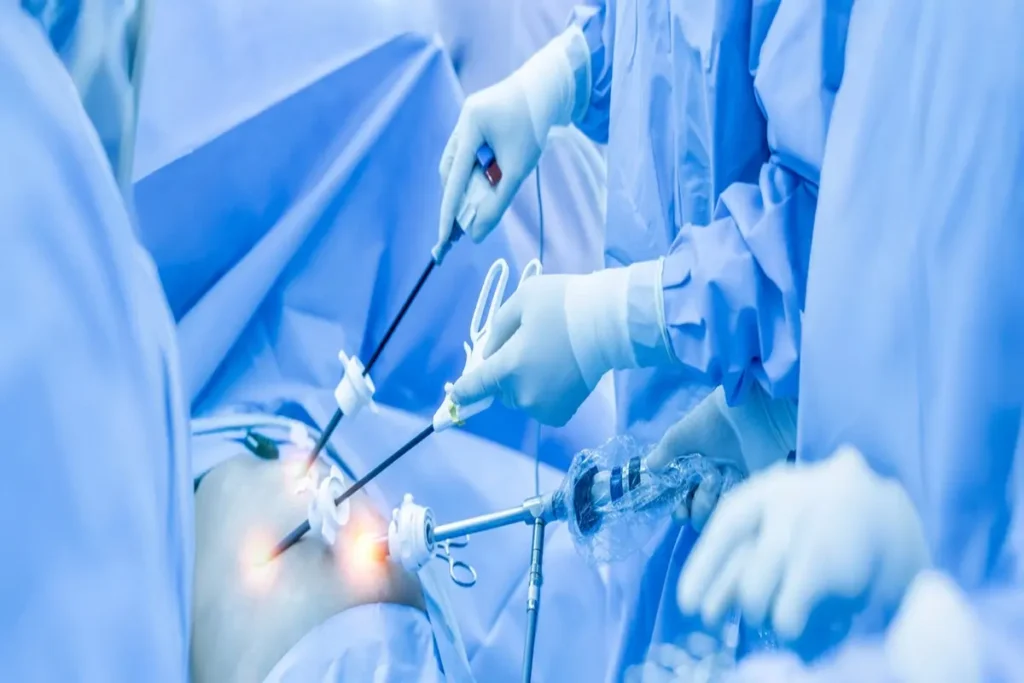
At the best hospital for laparoscopic surgery in Delhi Ncr, the process before surgery is never treated as routine paperwork. It is where safety quietly begins.
Before any test is ordered, there is usually a detailed discussion.
What symptoms brought you here? How long have they been troubling you? Do you have diabetes, high blood pressure, or a history of past surgeries?
These questions are not just formalities. They help the surgical team understand how your body may respond. Every patient carries a different medical story, and a good laparoscopic surgery doctor listens first before deciding what needs to be checked.
Most patients begin with basic blood work. It doesn’t feel dramatic, but it reveals a lot.
Hemoglobin levels show whether you are anemic. Liver and kidney tests confirm that your body is functioning steadily. Clotting profiles help ensure there will not be unexpected bleeding.
These are part of routine laparoscopic surgery tests, and they help reduce surprises later. When reports come back normal, there is often visible relief. It feels like one step closer to getting better.
If it is gallbladder disease, fibroids, hernia, or another abdominal concern, imaging becomes the next step.
An ultrasound or scan shows exactly what is happening inside. Surgeons prefer clarity before making even the smallest incision. This level of preparation supports many of the well-known laparoscopic surgery benefits people talk about, including smaller scars and faster recovery. Those outcomes depend on careful planning.
Even with small cuts, your whole body still goes through the effects of anesthesia.
An ECG is often advised, especially for adults above a certain age. If there are breathing concerns, lung evaluation may also be suggested.
These checks are not meant to delay surgery. They are done to make sure the body can handle anesthesia comfortably. At the best hospital for laparoscopic surgery in delhi ncr, anesthesia clearance is never rushed. If something needs stabilising first, it is addressed calmly.
Many patients come in with existing conditions such as diabetes, thyroid imbalance, or fluctuating blood pressure.
Before surgery, these need to be stable. Sometimes medication doses are adjusted. At times, we may decide to wait a little before going ahead with surgery.
It can feel frustrating in the moment, but stabilising the body first usually makes recovery smoother. We have seen this time and again.
Many patients are already taking regular medicines, and that needs a careful look. Blood thinners, vitamins, or long-term prescriptions may need small adjustments for a few days. We go through everything slowly, often speaking to the other doctor if needed, so nothing important is missed and nothing is changed carelessly.
Preparation like this is one reason patients often consider us among the best hospital for laparoscopic surgery in delhi ncr. It is not about speed. It is about being thorough.
This is often the meeting that eases anxiety.
Patients discuss allergies, previous experiences with anesthesia, and concerns about waking up after surgery. Questions are encouraged, and answers are explained clearly.
It does not feel clinical. It feels reassuring. When people understand what will happen during surgery, they walk into the theatre feeling calmer.
Tests measure the body, but readiness is also emotional.
Some patients appear practical and composed, while others are quietly worried. We often explain what laparoscopic surgery after care will look like, including when they can sit up, when walking usually begins, and what soreness to expect.
Clarity reduces fear. And often, fear is what weighs heavier than the surgery itself.
The day before surgery tends to feel quieter and more focused.
Fasting instructions are explained carefully. Final vitals are checked. Consent forms are reviewed and signed after all questions have been answered.
Everything has been looked at again. This steady preparation is why many patients say they felt confident choosing the best hospital for laparoscopic surgery in delhi ncr. Confidence grows when nothing feels rushed.
Sometimes tests reveal something unexpected, such as a mild infection or uncontrolled sugar levels.
In those cases, surgery may be delayed. While this can feel disappointing, patients often say later that they were grateful nothing was hurried. Healing works better when the body is ready.
What most people do not see is how many professionals review the reports.
Surgeons, anesthetists, nursing staff, and sometimes physicians from other departments go through the details. Pre-surgery evaluation is a team effort. It may not be visible, but it is thorough.
At Sant Parmanand Hospital Kashmere Gate , we treat this stage as part of the surgery itself. The operation may last an hour, but preparation may take days. Both matter equally.
Laparoscopic surgery often feels lighter than traditional surgery. Patients notice smaller scars, shorter hospital stays, and quicker mobility.
But those visible outcomes depend on careful groundwork. Tests are reviewed. Conversations happen. Adjustments are made.
Surgery does not begin with an incision. It begins with understanding. And when that understanding is complete, recovery usually follows more smoothly.
Anyone dealing with issues like gallstones, hernia, fibroids, or persistent abdominal pain that hasn’t settled with medicines may be advised laparoscopic surgery after proper evaluation.
Blood tests are a simple way to see how your body is coping before surgery. They help pick up things like low hemoglobin, signs of infection, or clotting issues so nothing unexpected shows up later.
Scans such as ultrasound help doctors see exactly what needs treatment, so there are no surprises once the procedure begins.
An ECG, basic evaluation, and a conversation with the anesthetist help make sure your heart, lungs, and overall health can handle anesthesia comfortably.
Your past illnesses, surgeries, and medicines tell doctors how your body reacts, helping them plan safely instead of assuming everything is routine.