Pain has a way of changing how people think long before it changes how they move. When knee problems stretch over months or years, they quietly reshape daily life. Simple things like walking across a room, climbing stairs, or standing for a few minutes begin to carry hesitation. Over time, that hesitation settles into the mind as much as the body.

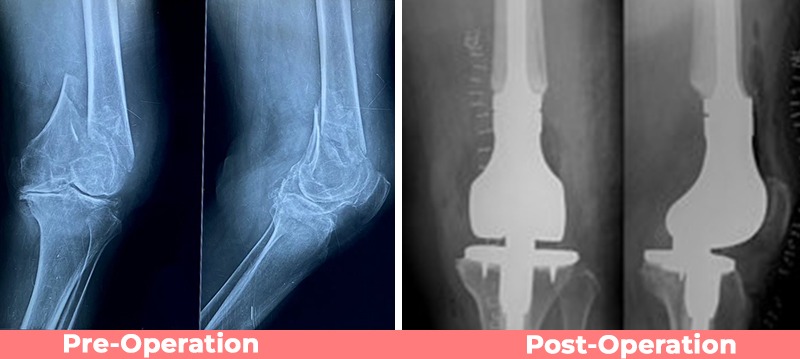
This emotional shift is often most visible before and after knee replacement surgery. While the procedure is discussed in terms of movement, recovery, and function, the inner journey is just as real. Understanding this transition helps patients feel less alone as they move from long-term discomfort toward relief.
For many patients, the period before and after knee replacement surgery begins well before a hospital visit. It starts at home. People adjust their routines slowly. They avoid outings. They plan their day around pain. Confidence shrinks, not because of fear, but because the knee no longer feels reliable.
This stage often carries frustration. Patients know what they want to do, but the body does not cooperate. Over time, the emotional weight of constant pain can lead to irritability, low mood, and withdrawal. These feelings are not always spoken out loud, but they are present.
By the time surgery becomes an option, many patients are not just physically tired. They are mentally worn down by years of compromise.
Surgery is usually the last step, not the first. It follows months or years of coping, adapting, and waiting to see if pain improves.
Patients often carry simple but heavy questions about life after surgery. These concerns are common when people begin exploring options at a top 10 hospital for best knee replacement surgery. Clear explanations and realistic timelines often make the decision easier to live with.
Even prepared patients often feel uneasy around surgery. The waiting, the recovery, and depending on others can feel like a lot at once.
Understanding how robotic knee replacement surgery is planned and performed helps many patients feel more settled.
This is true for many people undergoing knee replacement surgery.
What makes the biggest difference here is not repeated reassurance, but calm guidance and being heard.
Recovery takes time. Movement comes back slowly, and the early days can feel discouraging, especially for those who want to get back to normal quickly.
What changes is how the pain feels. It starts to ease. Sleep improves, walking feels less tiring, and stiffness loosens little by little. Those small shifts help people feel more confident in their body again.
As recovery moves along, changes show up in small ways. People start doing things they had stopped without really thinking about it. Walking feels less planned, days feel easier to manage, and pain slowly stops deciding every choice.
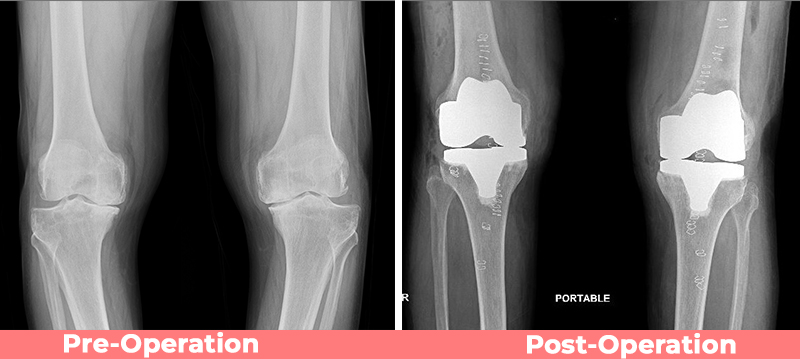
This stage of before and after knee replacement surgery is often described by patients as freeing. Not dramatic, but steady. Confidence returns gradually. Mood improves. Social interaction increases.
For many people, this is when things start to feel normal again. The knee stops being the centre of attention, and day-to-day life becomes easier.
Modern techniques have influenced not only physical outcomes, but emotional experience as well. Knowing that robotic knee replacement surgery uses detailed imaging and precise planning gives patients confidence in the process.
Knowing that the robot supports the surgeon, and not the other way around, often helps patients feel calmer about the procedure, giving them a clearer picture of what to expect.
People usually feel more at ease once things are explained clearly and they know who is taking care of them. Being guided by an experienced team, including a best knee replacement surgeon in delhi hospital, helps the whole process feel less overwhelming.
During recovery, what matters most is having clear conversations and a realistic idea of what lies ahead.
Patients and families often say the process felt less intimidating than they expected. Clear conversations helped them feel sure about the decision, and familiar faces during recovery made a difference. Being listened to and given time mattered more than anything else.
That ongoing attention helped reduce anxiety. It made recovery feel manageable rather than uncertain.
Most patients don’t describe recovery in big terms. They talk about walking without thinking twice, feeling steadier, and getting back to their usual routine.
The emotional side of knee replacement often matters just as much as the physical recovery. Living with pain changes people over time, and healing brings back more than just movement.
At Sant Parmanand Hospital Kashmere Gate, we see this transition every day. From hesitation to confidence, from limitation to movement, patients gradually reclaim parts of life they had set aside. Supporting that journey with experience, clarity, and steady care remains at the heart of how we approach knee replacement treatment.
Most people feel worn down rather than scared. Living with pain for a long time often brings frustration, hesitation, and mental fatigue.
Yes, pain and limited movement can affect mood over time, and recovery often brings emotional relief along with physical improvement.
For most people, confidence comes back gradually after knee surgery, once moving around stops feeling like such an effort.
Very common. Uncertainty about surgery and recovery often causes anxiety, even in people who feel otherwise prepared.
Confidence after knee replacement grows gradually as everyday movement starts to feel natural again.