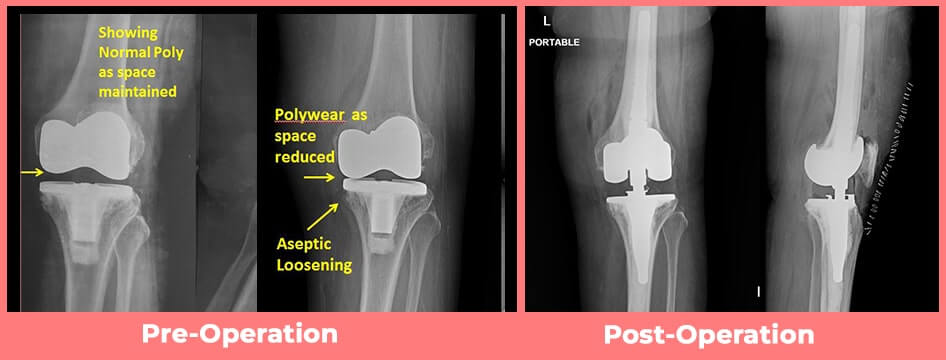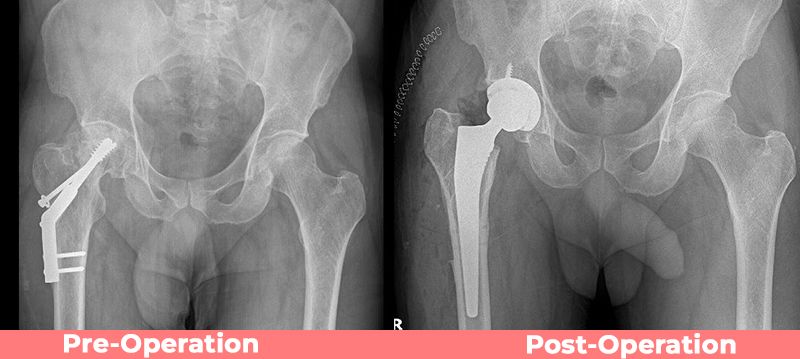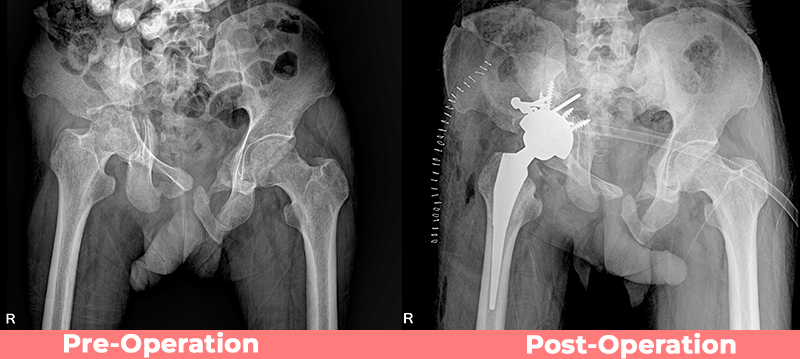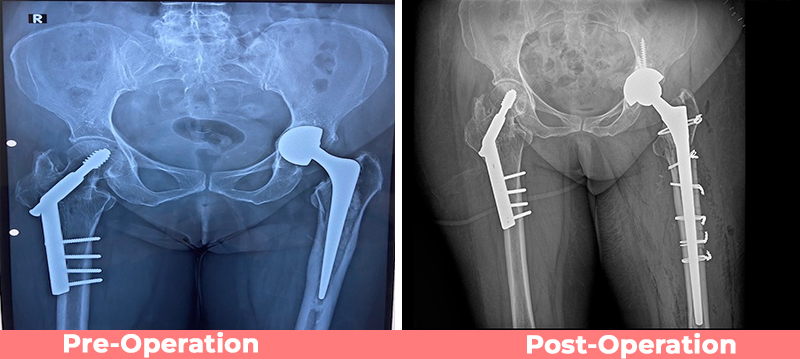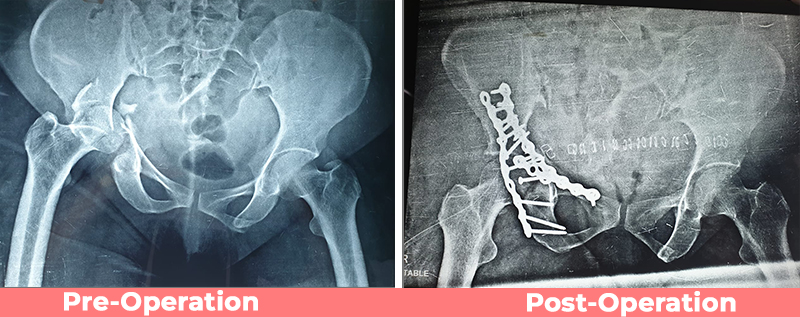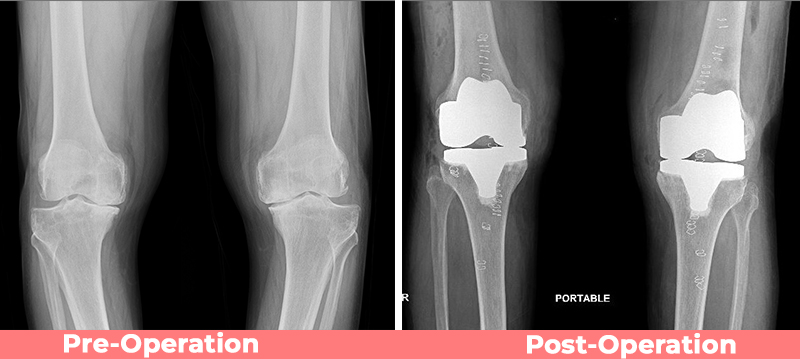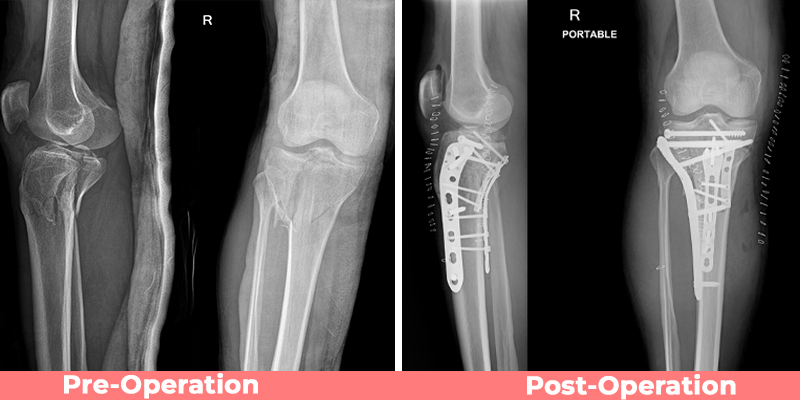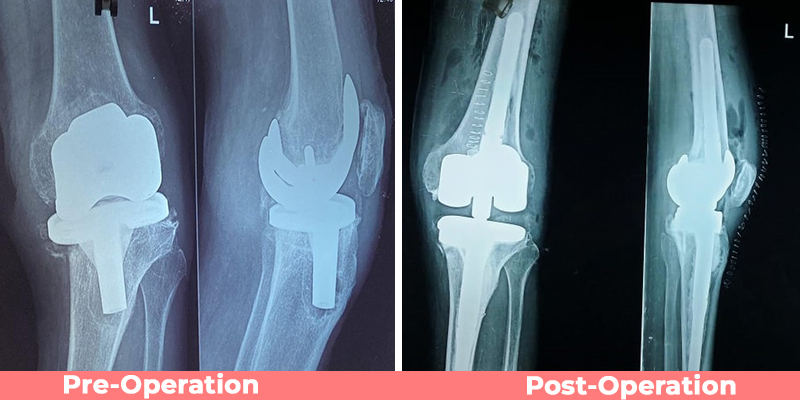
Knee problems rarely begin with the idea of surgery. They usually start much earlier, with small adjustments people make without thinking. Avoiding stairs. Sitting a little longer before standing up. Choosing comfort over movement. By the time surgery enters the conversation, the question is no longer just about the procedure. It is about how life will look afterward.
Recovery is where that question is answered. And this is where the difference between traditional knee surgery and newer approaches becomes most noticeable. Patients often feel that difference long before they can explain it in medical terms. That experience is closely shaped by the work of minimally invasive knee surgeons.
Traditional knee surgery has a long history and remains necessary in many situations. It allows surgeons to address complex damage and severe joint issues. But recovery from it can feel heavy.
Patients often describe the first few weeks as slow and demanding. Swelling takes time to settle. Movement feels cautious. Physiotherapy becomes a central part of daily routine, and progress can feel gradual rather than immediate.
For some, this is manageable. For others, it feels like recovery dominates everything for a while. That reality is important to acknowledge rather than minimise.
Minimally invasive knee surgery does not change the goal of treatment. The joint still needs to function better. What changes is how much surrounding tissue is disturbed along the way.
Smaller incisions and careful handling of muscles tend to make the early days easier to tolerate. Pain is often more controlled. Movement begins sooner, not because recovery is rushed, but because the body has less to recover from at once.
Many patients notice this difference without being told. It shows in how confidently they stand, walk, or attempt simple movements. This is one of the reasons minimally invasive knee surgeons have become increasingly sought after.
The first few days after surgery carry more weight than people realise. They shape how patients feel about the rest of recovery.
After traditional surgery, those days can feel cautious and tiring. Assistance is often needed for basic movement. Progress is steady, but patience is required.
After minimally invasive surgery, that first attempt to stand or walk often feels easier than expected. Standing and walking may still be uncomfortable, but they feel possible sooner. That early confidence tends to carry forward into rehabilitation.
It is not about speed. It is about how manageable the process feels when guided by minimally invasive knee surgeons who understand recovery as much as surgery.
Recovery does not depend on surgery alone. It depends on what surrounds it.
In traditional cases, hospital stays may be slightly longer to manage pain and monitor healing. Physiotherapy starts early but moves carefully.
With minimally invasive surgery, many patients are able to start rehab earlier. This works best in centres where orthopaedics is not a side service but a primary focus. Facilities recognised as the best hospital for minimal invasive surgery in delhi ncr tend to build their systems around this continuity.
Emergency support, trauma care, physiotherapy, and monitoring all matter when recovery is unfolding.
Weeks after surgery, differences begin to show in daily life. Traditional surgery patients often regain function well, but stiffness and muscle weakness can take longer to resolve.
Minimally invasive procedures aim to preserve more of what the body already knows how to do. Over time, this often translates into smoother movement and less hesitation while walking or bending the knee.
Rehabilitation still requires effort. There is no shortcut. The difference lies in how sustainable that effort feels day after day.
Technique alone does not define outcomes. Experience does.
Minimally invasive knee surgeons must know when these approaches are appropriate and when they are not. This judgement comes from years of exposure to joint replacement, arthroscopy, trauma, and revision surgeries.
Centres that operate as a minimal invasive surgery hospital in delhi ncr often rely on teams where each surgeon is focused on a specific area of orthopaedics. That depth reduces guesswork and supports safer decision-making.
Recovery does not always move in a straight line. Some days are easier, others need more attention and support.
Specialised orthopaedic centres invest heavily in infrastructure. Trauma ICUs, round-the-clock emergency care, and multidisciplinary teams are part of routine functioning. Case discussions allow complex recovery plans to be shaped collectively.
This level of preparedness is a defining feature of a minimal invasive surgery hospital in ncr, where patient care continues well beyond the operating room.
One of the most important parts of recovery is expectation. Minimally invasive surgery does not remove discomfort completely, and it does not eliminate the need for rehabilitation.
What it often changes is the overall experience. Recovery feels less overwhelming and more structured. A minimal invasive surgery specialist in Delhi can make recovery easier simply by explaining what to expect at each stage.
When people know what to expect, the recovery tends to feel less stressful.
When people think about knee surgery, they usually look at more than just the operation. They want to know who is doing it, how often it is done there, and what kind of support is available afterward.
Hospitals that manage trauma, joint replacement, arthroscopy surgery, and spine surgery on a regular basis develop systems that support consistency. That environment allows minimally invasive knee surgeons to focus on precision while ensuring patient safety remains central.
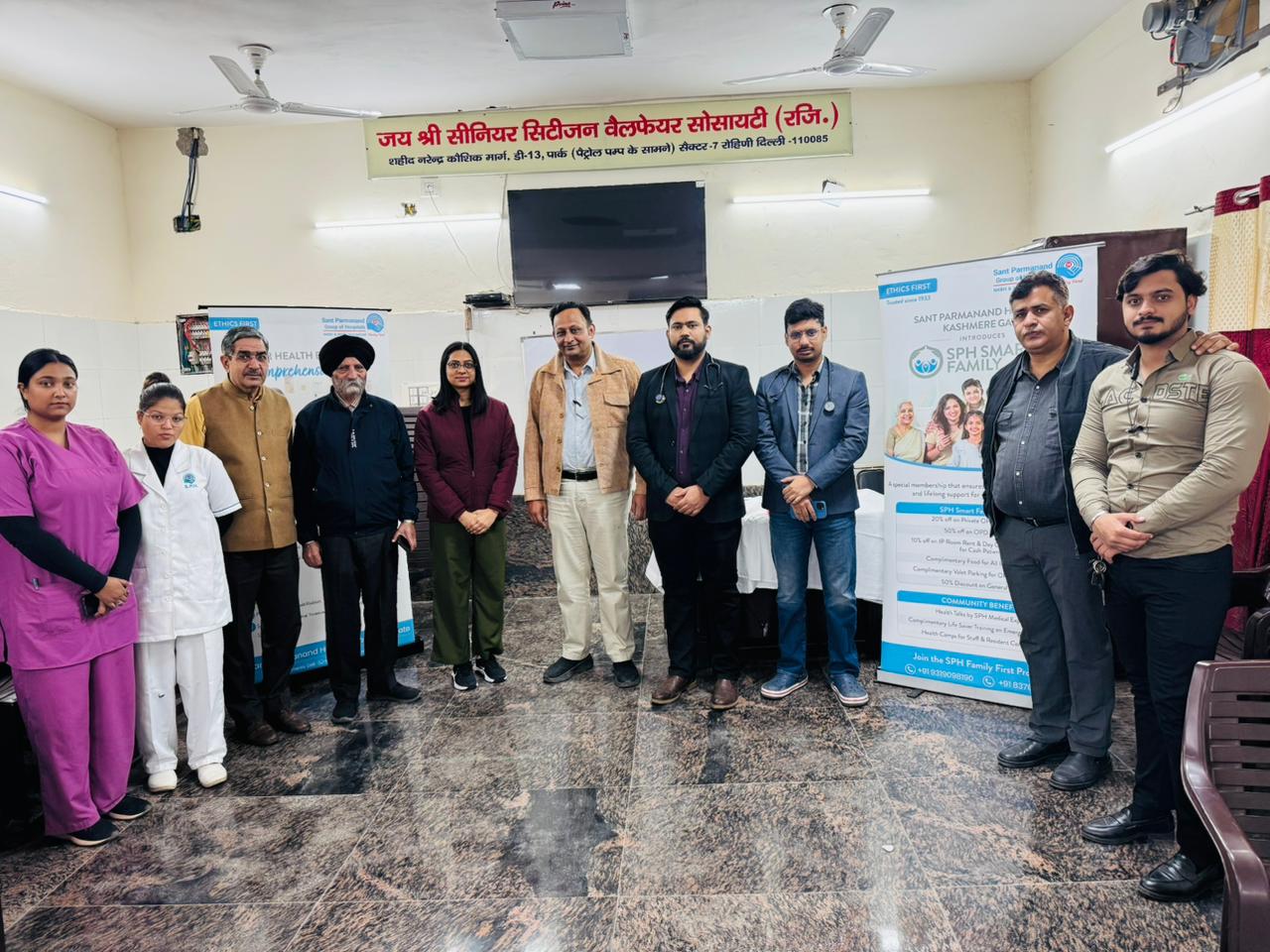
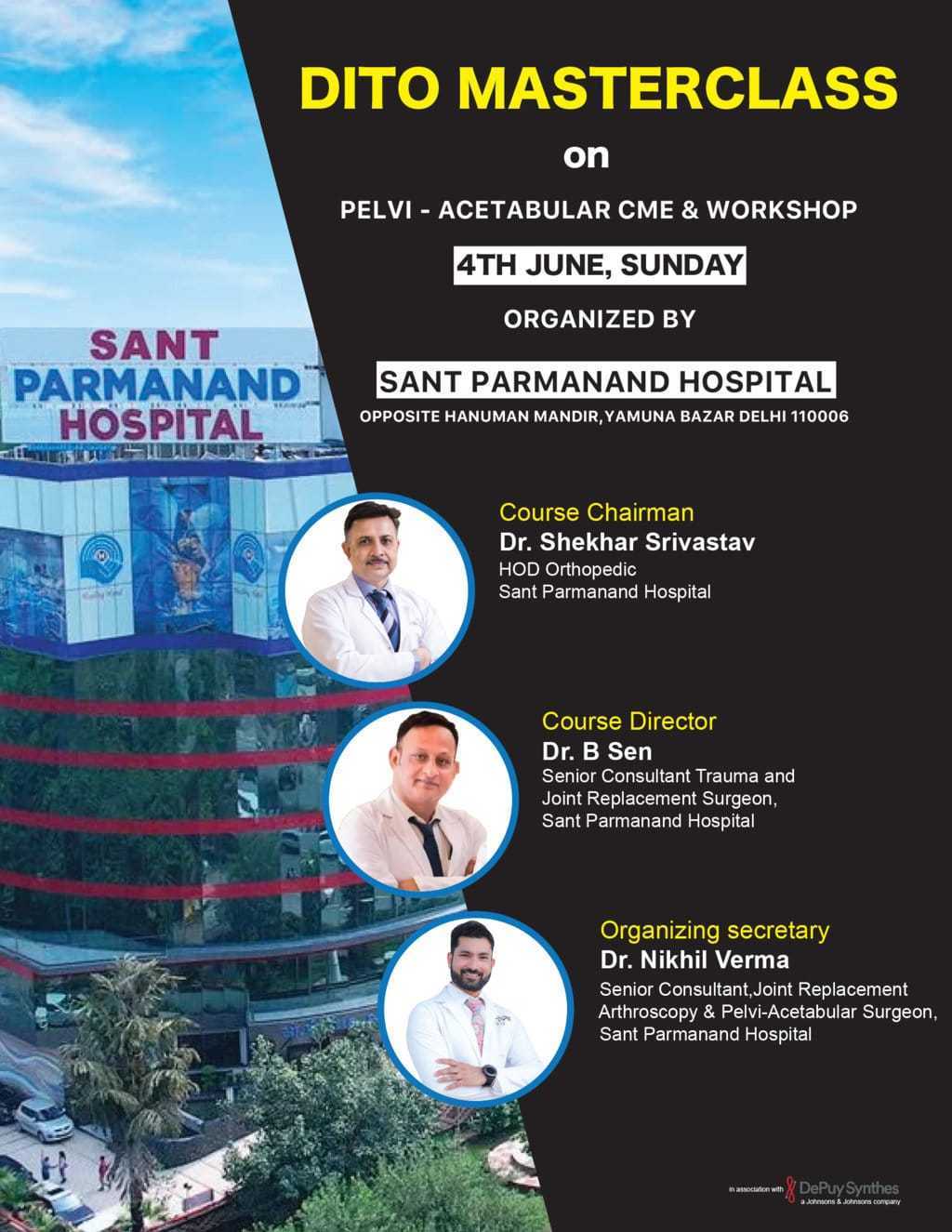
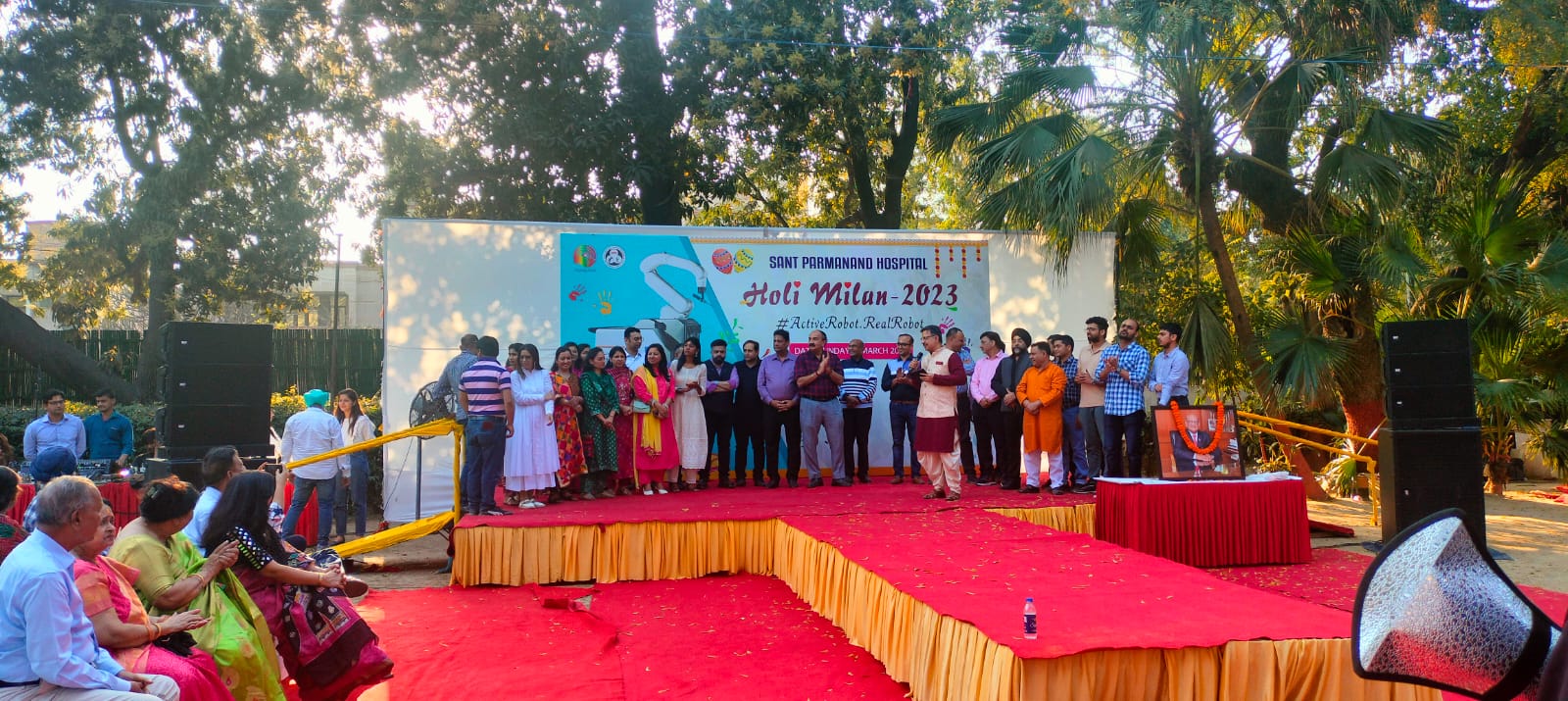
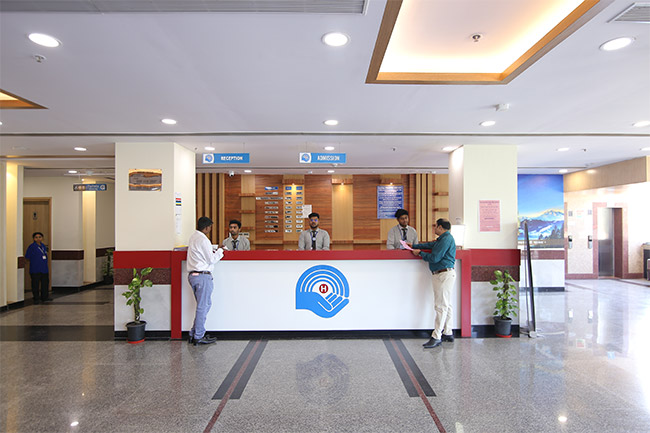
At Sant Parmanand Hospital Kashmere Gate , we look at knee surgery recovery as a process that unfolds over time. Whether surgery is traditional or minimally invasive, the focus stays on steady progress, clear communication, and long-term comfort.
Recovery improves when experience, infrastructure, and patient care work together. Our role is to support that process, one step at a time, until movement feels natural again.