Summers are not easy. At least not for everyone.
We sweat more, feel tired faster, and sometimes don’t realise how quickly the body is losing fluids. It is not just discomfort. The heat quietly puts extra strain on the heart as well.

For most people, this passes with rest and hydration. But in some cases, it can lead to a heart emergency, especially in those who already have underlying conditions.
That is why understanding how hospitals respond during these situations becomes important.
The body works harder in high temperatures.
To cool itself, it increases blood flow to the skin and triggers sweating. This leads to fluid loss. If fluids are not replaced in time, blood volume can drop slightly, and the heart has to pump harder to maintain circulation.
It’s rarely just the heat on its own. When dehydration and fatigue build up together, the heart starts taking on more load, which is why doctors sometimes describe such cases as a summer dehydration heart attack situation.
And if someone already has heart disease, diabetes, or high BP, that strain shows up faster.
Not every episode of fatigue or dizziness is serious, but some symptoms should not be ignored.
Chest discomfort, shortness of breath, sudden weakness, confusion, or fainting can signal a heart emergency. In peak summer, these signs may sometimes overlap with heat exhaustion or heatstroke, which makes early recognition important.
In situations involving a heatstroke cardiac emergency Delhi, rapid cooling and cardiac monitoring often need to happen together. The body temperature and heart function both require attention at the same time.
The first few minutes matter the most.
Hospitals follow a structured approach to assess the patient quickly. Vitals are checked, ECG is performed, and blood tests may be initiated to understand what the heart is experiencing.
At the same time, fluids are managed carefully. It is not just about giving water. It is about restoring balance without putting additional strain on the heart.
At the best cardiology hospital in Delhi NCR, this process is streamlined so that evaluation and treatment begin without delay.
One of the biggest improvements in recent years has been coordination.
Delhi NCR cardiac emergency response systems now focus on reducing the time between symptom onset and treatment. Ambulances, emergency teams, and hospital units work in sequence rather than isolation.
There isn’t much waiting once the patient arrives. The team is ready, and things start moving almost immediately.
In summer-related cardiac cases, hydration is not a simple fix.
Electrolytes such as sodium and potassium play a role in heart rhythm and muscle function. Imbalance can affect how the heart beats.
Hospitals assess these levels before correcting them. Rapid or improper fluid replacement can sometimes do more harm than good, especially in patients with existing heart conditions.
This is why treatment is measured rather than rushed.
Not every situation needs a procedure, but sometimes it does come to that.
If there’s a blockage or the heart is under stress, doctors may go ahead with something like an angioplasty to restore blood flow. In places like the best cardiology hospital in Delhi NCR, these decisions are taken quickly because everything needed is already in place.
Even after things are under control, the team continues to watch closely, just to make sure everything stays steady. This phase is important because it helps prevent complications.
Patients are not discharged based on how quickly symptoms settle. Stability over time is what determines readiness.
Treatment does not end when the immediate issue is resolved.
Patients are guided on hydration, diet, medication adherence, and activity levels during summer. Preventive cardiology plays a role in reducing repeat incidents.
Things like drinking enough water, staying out of the harsh afternoon heat, and not ignoring early symptoms actually go a long way.
This broader approach is one reason people often turn to the best cardiology hospital in Delhi NCR for ongoing care, not just emergencies.
In real situations, it’s never just one doctor doing everything. Different people step in when needed, and that’s what keeps things moving smoothly.
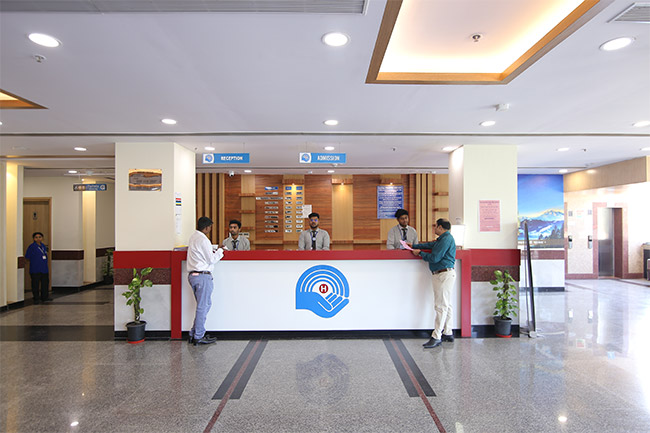
At Sant Parmanand Hospital Kashmere Gate , that flow between teams is already in place, so patients don’t feel like they’re being passed around.
Patients are kept informed, which helps reduce anxiety during what is often a stressful experience.
Summer does not cause heart disease, but it can expose existing vulnerabilities.
Someone who feels okay most days might still feel off when the heat and dehydration start catching up.
Recognising early signs and seeking timely care often makes the biggest difference in outcomes.
Most summer days pass without incident.
But when the body starts showing signs of strain, it helps to pay attention early. The difference between discomfort and a serious situation often lies in how quickly it is addressed.
At Sant Parmanand Hospital, we focus on acting quickly, keeping things stable, and staying with patients through recovery, not just the emergency. What really helps is noticing the signs early and not putting it off.
Most of the time, it’s dehydration putting extra load on the heart, or existing heart issues acting up in the heat.
They usually start by fixing the fluids, but do it carefully, keeping an eye on how the heart is responding.
First thing is to bring the body temperature down. Alongside that, they keep checking the heart and other vitals.
There’s no waiting in those cases. CPR and emergency care start right away.
Most big hospitals already have cardiac emergency setups, so they handle these cases the same way, regardless of season.