It’s strange how you don’t notice your joints… until you do.
They quietly do their job for years. And then one day, something feels a little off. Not exactly painful, just different enough to make you pause for a second.
That’s often where arthritis treatment and symptoms begin, in that small moment of “this wasn’t there before.”

Most people don’t react to it immediately. A bit of stiffness here, a slight discomfort there, it’s easy to brush it aside and carry on. And to be fair, sometimes it really is just temporary. But when it keeps coming back, that’s when you start noticing a pattern.
It’s not about one bad day. It’s about the same feeling showing up again and again. That’s usually when arthritis treatment and symptoms start becoming harder to ignore, even if things still feel manageable.
In the beginning, it rarely feels serious. Joints might feel stiff in the morning for a few minutes longer than usual. Fingers may not bend as smoothly. Knees might take a second before they feel steady. None of this feels alarming on its own.
That’s why most people wait it out. But over time, these small changes start adding up. And that’s when it becomes worth paying attention instead of just adjusting around it.
It’s important to keep this in mind. After a long day or physical strain, some joint discomfort is completely normal. It settles with rest and doesn’t really linger. Arthritis tends to behave differently.
It sticks around a bit longer. It shows up without a clear reason. Sometimes it even feels worse after rest rather than after activity. That difference is subtle, but once you notice it, it starts to make more sense why doctors look at arthritis treatment and symptoms differently from regular joint pain.
Most people don’t rush to a doctor right away. They wait, observe, maybe try to manage it on their own. And that’s understandable. But getting it checked early doesn’t mean something serious is expected. It just helps make things clearer.
A simple consultation with the best arthritis doctor Delhi can often tell you whether it’s something to monitor or something to start managing early. And when it’s caught early, things are usually much easier to handle.
Arthritis is not just one condition. For some, it develops slowly over time due to wear and tear. That’s where osteoarthritis treatment Delhi comes in. For others, it’s linked to how the immune system behaves, which is where rheumatoid arthritis care becomes relevant.
From the outside, both can feel similar at first. But internally, they’re quite different, which is why proper diagnosis matters before deciding anything.
There’s a common assumption that arthritis automatically means long-term medication or surgery. But that’s not how it starts. For most people, it’s not complicated in the beginning. Just some basic medication, a bit of movement, and a few changes in how you go about your day.
This is where arthritis pain management becomes part of the routine rather than something overwhelming. For many, keeping things under control for quite some time at this stage is enough.
As time goes on, some people notice that movement feels slightly restricted. Not dramatically, just enough to notice. Maybe sitting down and getting up feels slower. Maybe certain movements feel tighter than before.
This is usually when people start taking arthritis treatment and symptoms more seriously. This is usually where physiotherapy comes in. It helps keep the joints moving so they don’t gradually become too stiff.
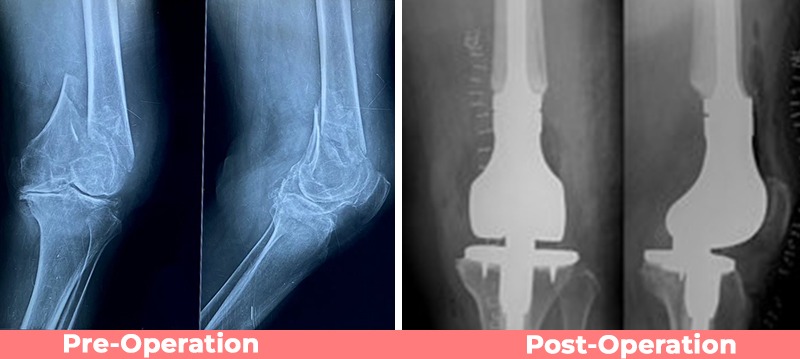
There are times when simple steps don’t really help enough. If joints are more affected or discomfort becomes regular, a more structured plan is needed.
That’s when people begin exploring options at the best arthritis treatment hospital in Delhi NCR, not necessarily for surgery, but for a clearer, more complete plan. Having access to specialists, imaging, and physiotherapy in one place usually makes things easier to handle.
Arthritis care doesn’t happen in isolation. It often involves a mix of evaluation, medication, physical therapy, and sometimes surgical input. When all of this is available under one roof, it saves a lot of back and forth.
That’s why many people prefer going to an arthritis hospital in Delhi where everything is already connected and easy to access.
One thing people often realise is that arthritis doesn’t always keep getting worse in a straight line. The idea isn’t to make everything feel perfect overnight. It’s more about getting back to doing your usual things without thinking about it too much.
With the right approach, most people manage just fine day to day.
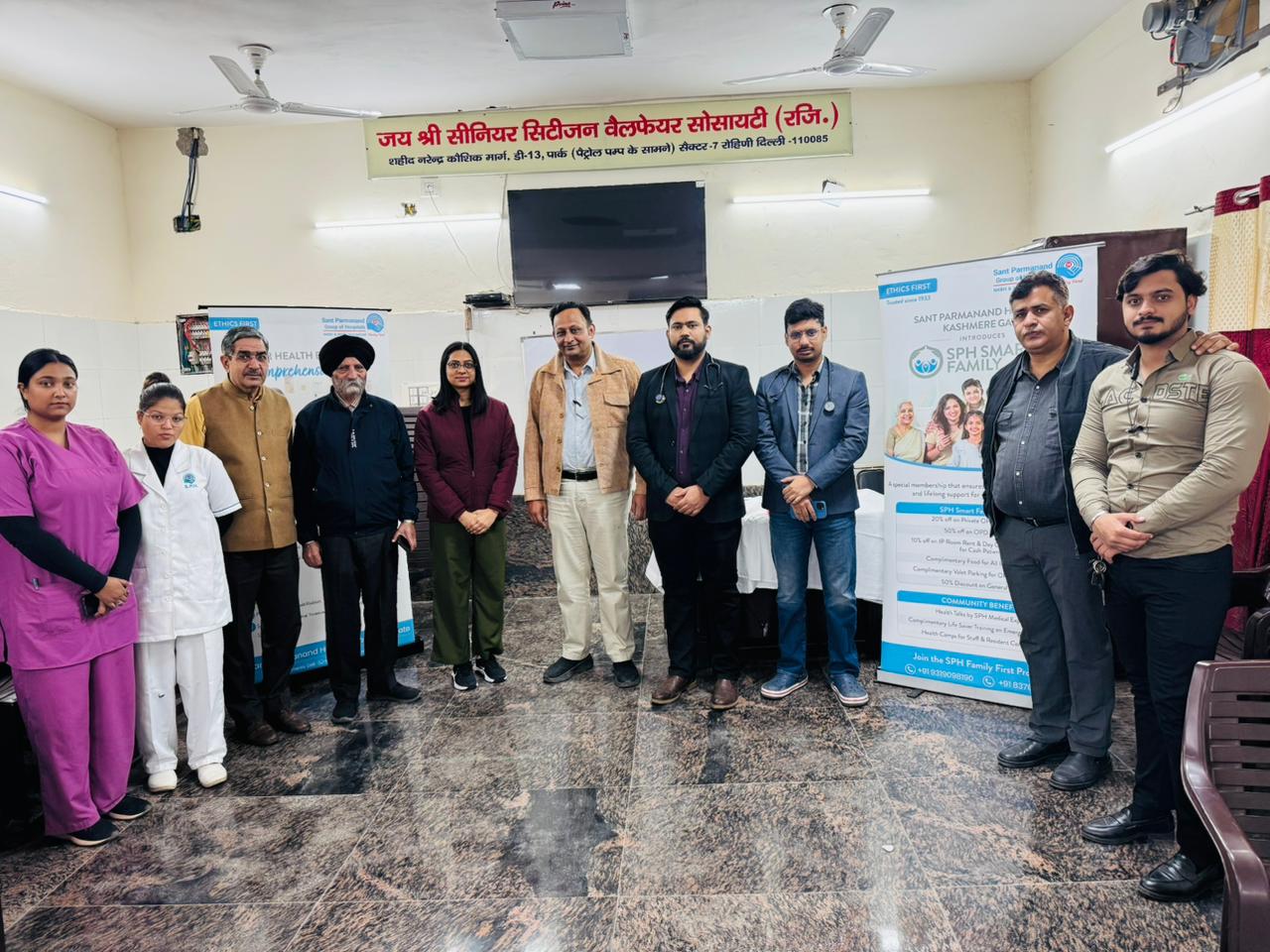
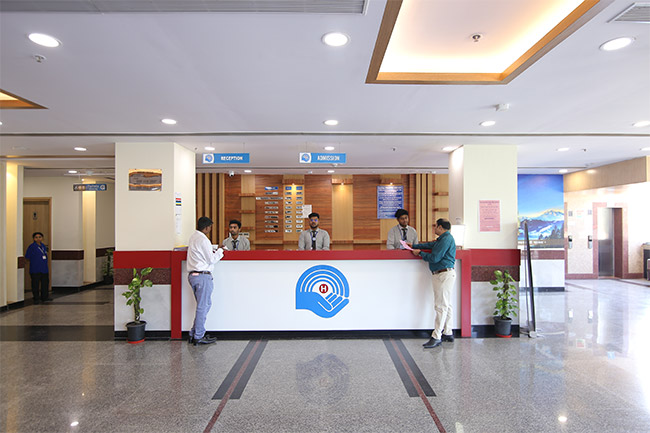
At Sant Parmanand Hospital Kashmere Gate, we see many people come in at that early stage where things just feel slightly off.
Most of the time, they’re not looking for anything complicated. They just want to understand what’s happening and what they can do about it.
We keep things simple. Explain what’s going on, what the options are, and what actually needs to be done right now.
Arthritis doesn’t usually begin with something obvious. It starts quietly, through small changes that are easy to ignore. But noticing those changes early makes things much easier to manage later.
Arthritis treatment and symptoms are not as overwhelming as they might sound at first. In many cases, they’re manageable with the right approach and a bit of consistency. And most people find that once they understand what’s happening, it becomes much easier to deal with.
It’s a condition that affects the joints, often due to wear and tear or the body’s immune system reacting differently than it should.
Usually mild stiffness, slight swelling, or joints not moving as smoothly, especially after rest.
There isn’t a complete cure, but it can be managed well so it doesn’t interfere much with daily life.
Not always. Knee pain can happen for many reasons, and arthritis is just one of them.
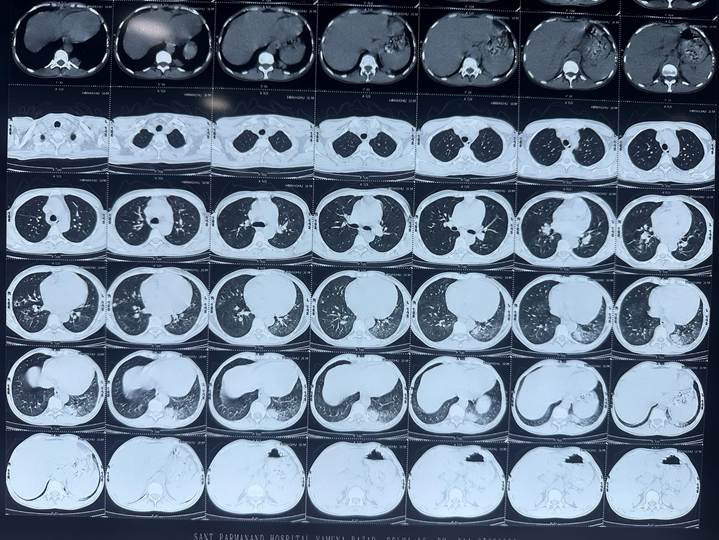
It’s usually based on symptoms, a physical check, and sometimes tests like X-rays or blood work to be sure.