Hip replacement surgery is not simply a matter of placing a new joint in position. The implant has to be seated properly, the joint must be well aligned and the bone has to be carefully prepared so that everything will fit together as expected.
Robotic technology can be used to help with some of this. Before surgery, the surgeon can look at detailed scans and use computer planning to work out the procedure. At some points during the surgery, the system can provide guidance to the surgeon. The surgeon remains in control throughout, making the decisions and performing the operation.
So, what does this mean in practical terms? Looking at how planning and surgical steps come together gives a better idea of where robotic assistance can make a difference in hip replacement.
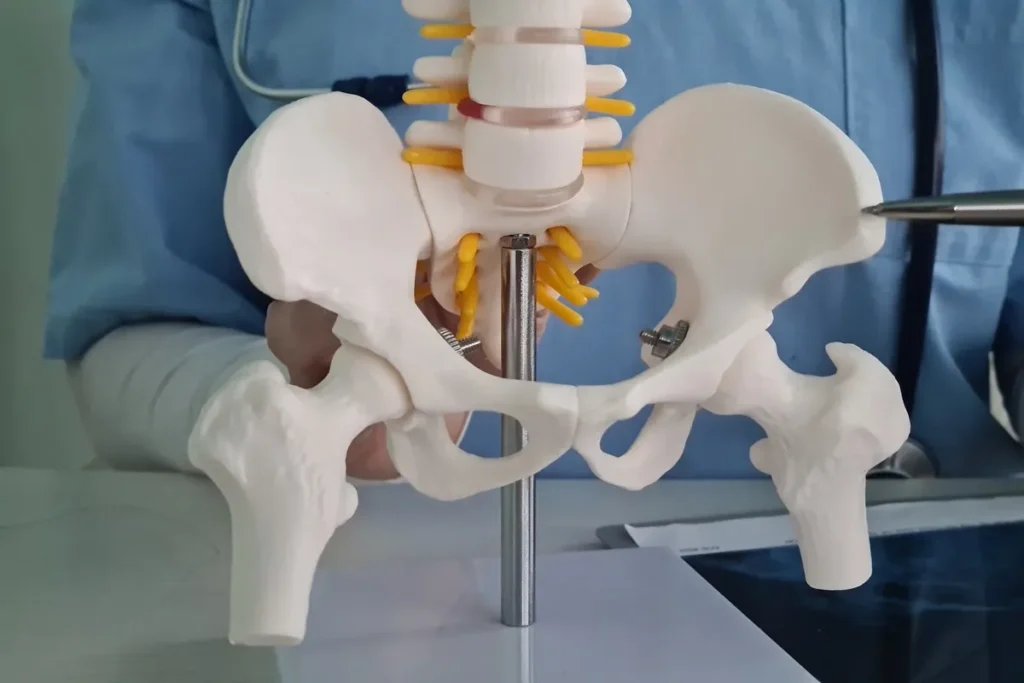
The hip has a ball-and-socket design, but replacing it is not quite as simple. The rounded top of the thigh bone fits into a curved section of the pelvis, and both parts may need to be replaced during a total hip replacement.
When the joint is damaged by arthritis, injury or reduced blood supply, walking, climbing stairs and even sleeping can become uncomfortable. When medication and physiotherapy are no longer enough, surgery can be an option.
During the operation worn parts are removed and replaced by artificial ones. A total replacement involves both the ball and socket. A partial replacement replaces only the ball, while hip resurfacing reshapes the ball and covers it with metal.
The new components have to work with the person’s anatomy, so where they are placed matters. Hip implant alignment is one part of that planning.
Before surgery, the patient’s hip can be studied using detailed imaging. Computer-based planning gives the surgical team information about the joint and helps prepare for the operation.
During robotic surgery for hip replacement, this information can guide certain parts of the procedure. It can provide measurements and other guidance while the surgeon is working.
The surgeon doesn’t hand over the operation to a machine. The decision to perform a hip replacement, the choice of procedure and the actual surgery remain the surgeon’s responsibility.
The technology is an additional tool in the operating room. The surgeon is still the person using that tool.
The surgeon reaches the hip joint through an incision along the outside of the thigh. The damaged pieces, normally the top of the thigh bone and a piece of the socket, are carefully removed.
The replacement parts are then positioned in the joint. They may be made from metal, ceramic or strong plastic. Depending on the procedure, they can be held in place with surgical cement, allowed to bond to bone over time, or some combination of the two.
The length of surgery is approximately one to two hours, but this varies according to the type of surgery, the patient’s health and any complications.
The planning done beforehand gives the surgeon a clearer picture of the patient’s anatomy and the replacement being used.
No. They describe different things.
Hip replacements can be performed through smaller incisions, which may cause less damage to the muscles surrounding the joint and result in faster recovery. This is known as minimally invasive hip surgery.
Robotic assistance, meanwhile, relates to the planning and guidance used during selected parts of the operation.
The two approaches may be used together, but they aren’t interchangeable. A smaller incision describes how the surgeon reaches the hip, while robotic assistance describes the technology supporting the procedure.
Once surgery is over, the focus shifts to getting the person moving again.
A hospital stay of a couple of days may be needed. With help from the care team and a physiotherapist, movement usually starts fairly soon.
For the first few weeks, you may need crutches or a walking frame. Some pain, swelling and stiffness are expected, but these usually settle gradually with movement, rest and time.
Many people return to lighter activities within a few weeks. For many, it takes around 6 to 12 weeks to feel confident moving around again, although recovery can take longer.
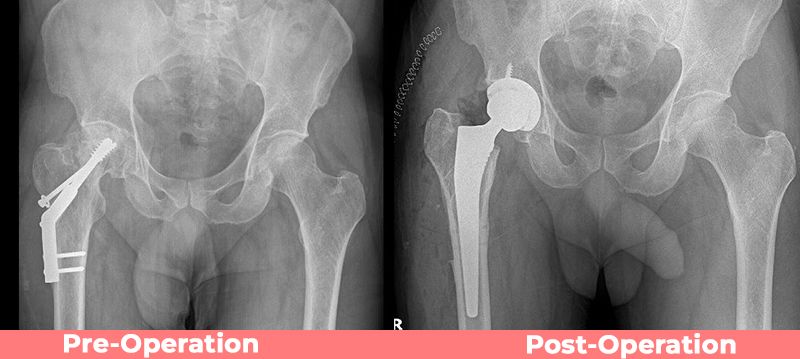
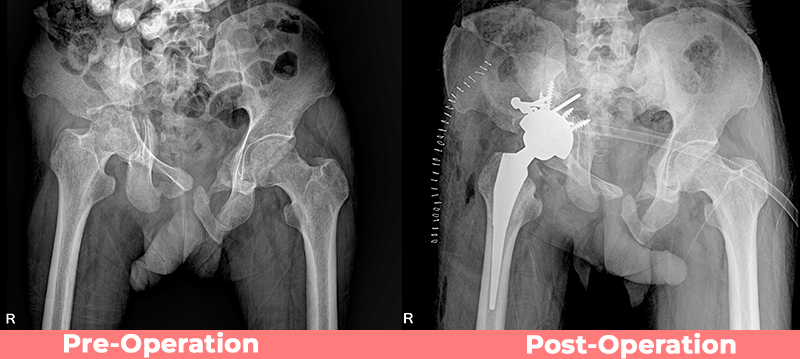
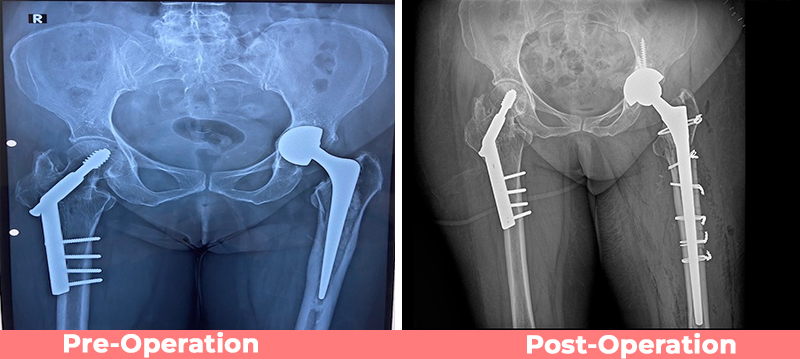
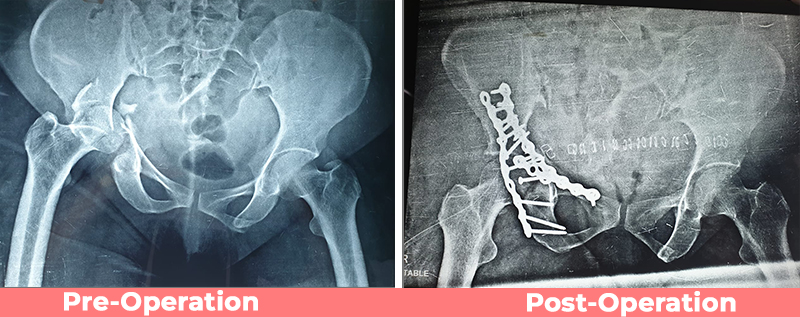
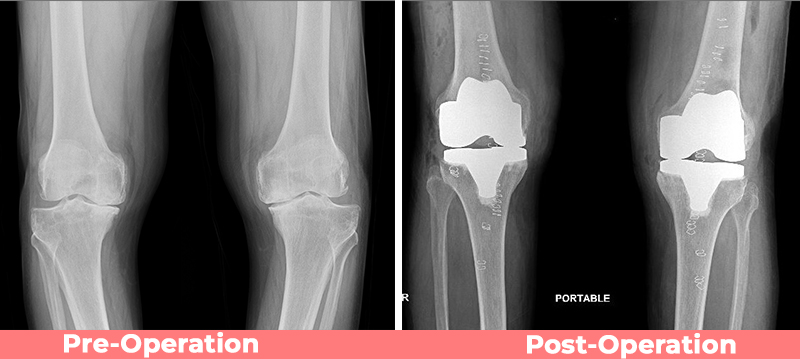
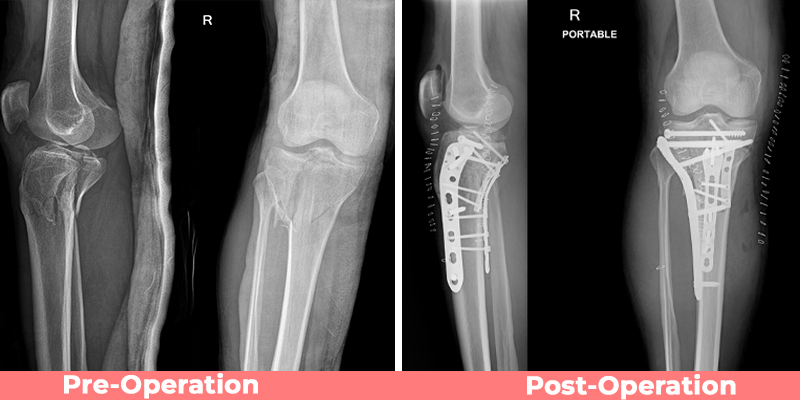
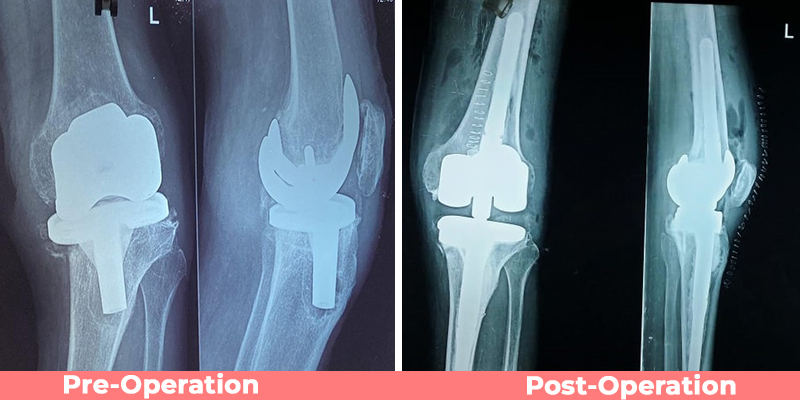
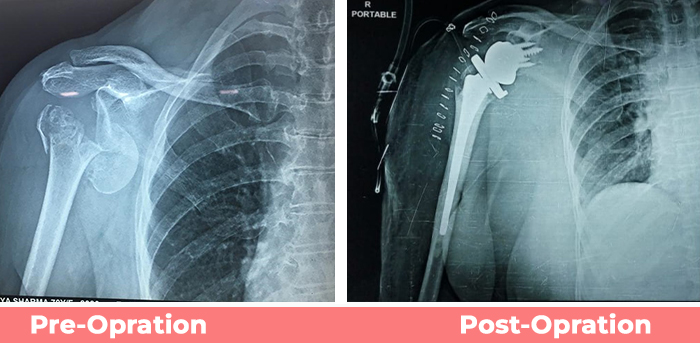
The difference after surgery can be quite practical. Looking at hip replacement before and after surgery isn’t only about the joint itself. It can mean walking more comfortably, using the stairs and managing everyday activities with less difficulty.
A little preparation can make those first few weeks easier.
Start with a conversation with your doctor. Ask what will happen during the operation, which type of hip replacement is being considered and what to expect while recovering.
Your physical condition matters too. With appropriate guidance, light exercises, stretches and strengthening work around the hip may help with mobility afterwards.
Your home can be made easier to manage as well. Keep regular-use items within easy reach, clear anything that could cause you to trip and consider aids such as bathroom handrails or a raised toilet seat.
These simple changes can make everyday tasks easier while you’re recovering.
There is nothing wrong with asking your surgeon exactly what the technology will do in your case.
You could ask how your hip has been assessed, how the implant position will be planned and which parts of the operation will involve robotic guidance. It is also useful to understand which type of hip replacement is being recommended and what recovery will involve.
You don’t need to know all the technical terminology. You should simply come away knowing what is being done and why.
The technology available is only one part of choosing where to have surgery. The experience of the orthopaedic team, the procedures they perform and the support available around surgery and recovery matter too.
If you are considering the best hip replacement surgery hospital in Delhi, look at the hospital’s orthopaedic services, the medical team’s experience and the hip procedures available. Accreditation, emergency services and insurance facilities are also useful things to check.
At Sant Parmanand Hospital, our Orthopaedics Department provides hip replacement surgery for people whose hip problems are affecting their comfort and everyday movement.
We review the patient’s symptoms, X-ray findings and general health before discussing the appropriate surgical approach. The type of replacement depends on the condition of the hip and the individual’s circumstances.
Where it is used, robotic surgery for hip replacement can provide computer-based planning, measurements and guidance during selected parts of the procedure. The surgeon remains responsible for the clinical decisions and performs the operation.
The useful thing about robotic technology is not that it removes the human element from hip replacement. It doesn’t.
Robotic surgery for hip replacement gives the surgical team another way to work with detailed information about the patient’s anatomy while planning and carrying out the procedure. The surgeon still decides what needs to be done and performs the operation.
Many hip replacements can last for 15 to 20 years or longer, but the actual lifespan varies from person to person.
Walking usually starts soon after surgery with support from the care team. How quickly you return to your usual walking pattern varies during recovery.
There isn’t one ideal age. The decision is more about your symptoms, the condition of your hips, your overall health and how much the problem is affecting daily life.
The main difference is the use of computer-based planning and robotic guidance during selected parts of surgery. The surgeon still performs the operation.
There is no single success rate applicable to all patients. The result may be different depending on the condition of the hip and the individual factors.