Many people assume severe knee pain is simply a part of ageing.
But when the pain starts affecting movement, independence, and quality of life, it often becomes more than just a “normal” age-related issue.

For some people, it starts with difficulty climbing stairs. For others, it’s standing for too long, walking short distances, or even getting up after sitting for a while. Slowly, everyday movement starts feeling heavier than it used to.
That’s usually when the question comes up more seriously: what is total knee replacement surgery, and when does someone actually need it?
Most knee conditions don’t appear overnight. It often begins with stiffness, swelling, or discomfort that comes and goes. Some days feel manageable, other days don’t. People adjust around it for months, sometimes years, until simple activities start feeling harder than they should.
Common causes include arthritis, old injuries, age-related wear, or long-standing inflammation. That’s usually the stage where doctors begin explaining what is total knee replacement surgery and whether it may actually help in the long run.
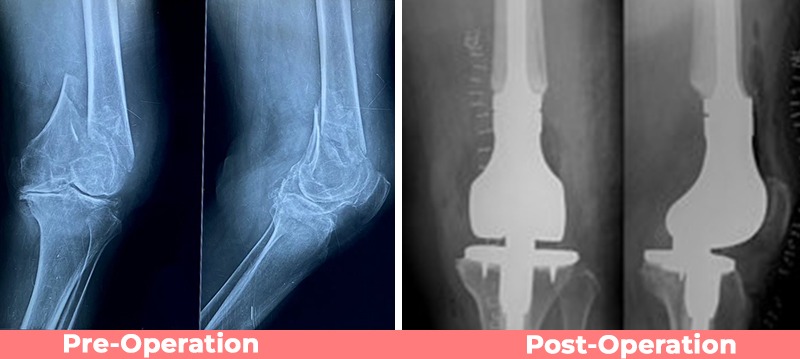
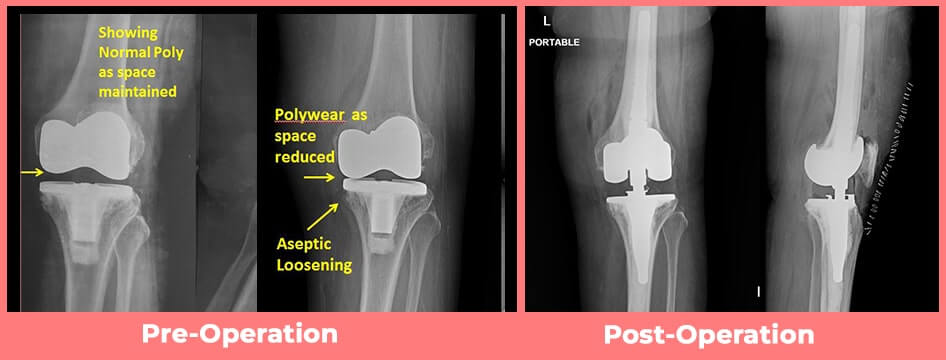
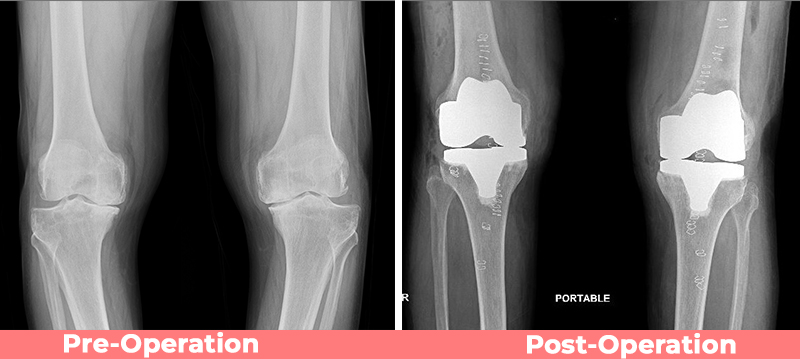
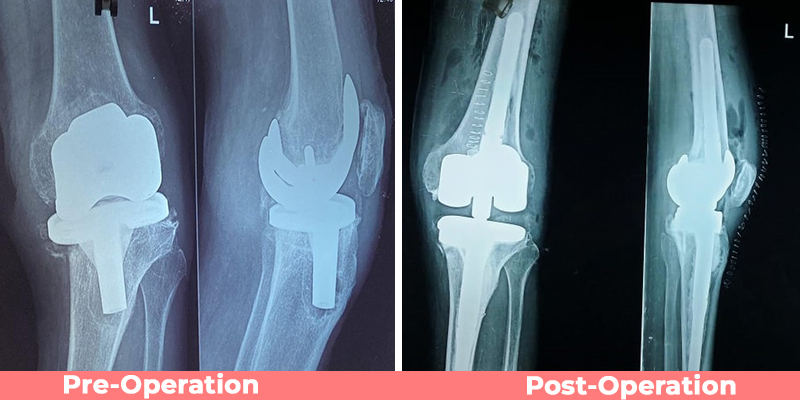
A lot of people hear the name and immediately think it’s something very major or difficult. But in simple terms, what is total knee replacement surgery? It’s when doctors replace the worn-out parts of the knee joint so movement becomes easier and the constant pain settles down a bit.
The goal is not to create a “perfect” knee, but to make daily movement feel more comfortable again when the original joint has become too damaged to function properly.
Technology has changed knee surgery quite a bit over the years. With robotic-assisted systems, doctors are able to study the knee in much more detail before surgery and plan the procedure more accurately based on the patient’s actual joint structure.
At Sant Parmanand Hospital, some knee replacement surgeries are done with robotic systems like CUVIS, which helps doctors plan and perform the procedure with a little more precision. Before the procedure, they’re able to study the knee in detail and plan things according to the patient’s actual joint structure instead of taking a more general approach.
Most people don’t jump straight to surgery for knee pain. Usually, they try to manage it first. Some medication, a bit of physiotherapy, maybe avoiding movements that make it worse.
But after a point, if walking starts feeling difficult every day or the knee keeps hurting no matter what you try, the conversation changes a bit. That’s usually when doctors start explaining what is total knee replacement surgery and whether it could actually make daily movement easier again.
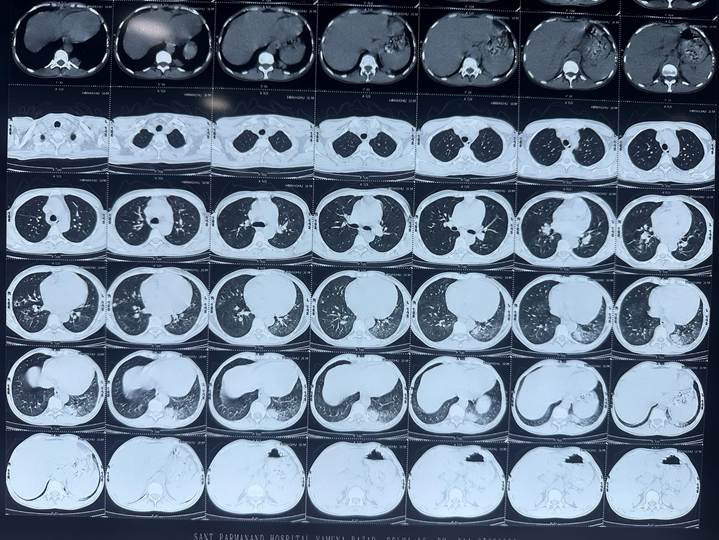
One thing many people notice is that the process feels more structured than they imagined. Before surgery, scans and evaluations are done carefully so the team understands the condition properly and plans the procedure step by step.
The surgery is basically done to deal with the worn-out parts of the knee that have been making movement painful for a long time. In some cases, robotic technology is also used to help doctors work with better accuracy.
Recovery is usually the part people think about the most before surgery. Most are surprised that the knee is encouraged to move fairly early, slowly and with support of course, but not after weeks of complete rest like many expect.
The knee replacement surgery recovery time is different for everyone. Some people feel more comfortable within a few weeks, others take longer. Physiotherapy usually becomes part of the routine during this phase, mainly to help the knee loosen up and make everyday movement feel easier again little by little.
Joint replacement depends a lot on accuracy. Even small differences in alignment or implant positioning can affect comfort later on, which is why robotic-assisted systems are being used more frequently today.
At the same time, technology works best alongside experience. That’s why many patients specifically look for the best doctor for knee replacement Delhi when considering surgery options.
Most people don’t talk much about the technical side later on. They talk about practical things instead. Walking more comfortably, climbing stairs without thinking about pain constantly, or being able to move around with more confidence again.
That’s usually where the real benefit shows up. Not in dramatic changes overnight, but in daily life starting to feel manageable again.
Knee replacement is not only about surgery itself. There’s consultation, evaluation, recovery, physiotherapy, and follow-up care. When all of this feels connected, the experience becomes much easier for patients and families.
That’s one reason people often search for the best knee replacement surgeon in Delhi hospital setup where the process feels organised from beginning to recovery. At Sant Parmanand Hospital, robotic-assisted knee replacement procedures are handled by experienced orthopaedic specialists including Dr. Shekhar Srivastav and the team.
Living with severe knee pain slowly changes daily life in ways people don’t always notice immediately. You avoid stairs, walk less, or start planning simple routines around discomfort without even realising it.
That’s why understanding what is total knee replacement surgery matters. For many people, it’s less about the surgery itself and more about getting back the comfort and movement they had slowly started missing.