If you ask ten people what knee replacement surgery involves, chances are you’ll hear the same answer. “They replace the knee.” It’s a simple explanation, but it isn’t entirely accurate.

By the time someone reaches the stage where surgery is being discussed, the conversation is usually much more detailed than that. Doctors don’t simply decide whether surgery is needed. They also decide which approach is likely to suit that particular knee.
That’s why understanding the different knee replacement surgery types can make the whole process feel a little less confusing.
For someone who’s never spoken to an orthopaedic surgeon before, knee replacement often sounds like a single operation. Then the consultation begins.
The surgeon starts talking about how much of the knee is damaged, whether the arthritis involves the whole joint or only one part, and whether a standard or robotic-assisted procedure would be more suitable.
That’s usually when people realise there isn’t just one answer for everyone.
Two people can have similar knee pain and still need completely different treatment. One person’s joint may be damaged in several areas. Another may have arthritis affecting only one section of the knee.
That’s why the first conversation is usually about the knee itself. The type of operation comes afterwards. Only then do the different knee replacement surgery types become part of the discussion.
One of the first things patients usually hear is whether they need the entire knee replaced or only the damaged part. This is one of the main knee replacement types doctors discuss.
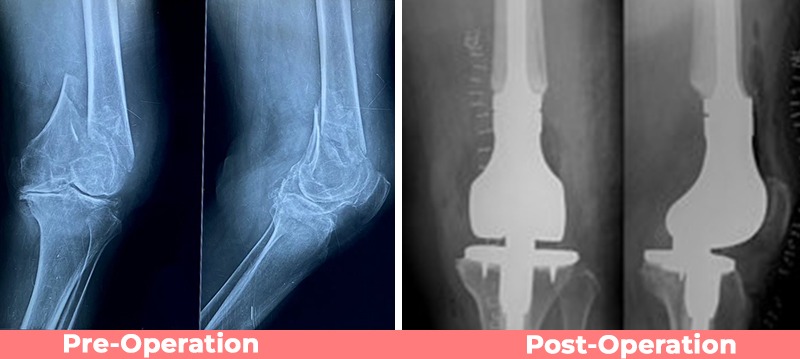
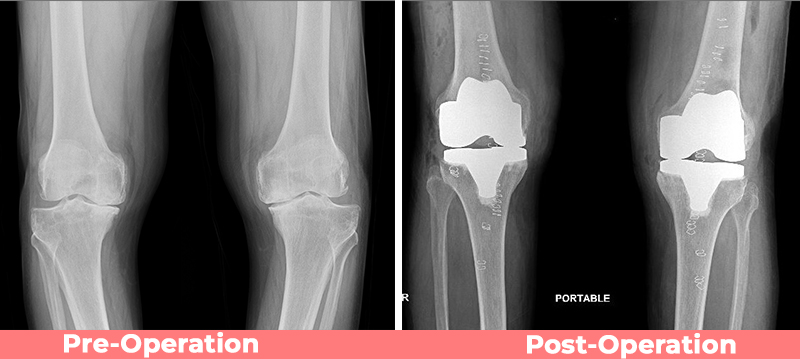
When a large portion of the joint is affected by arthritis or damage, doctors may recommend a Total Knee Replacement to restore function and relieve pain
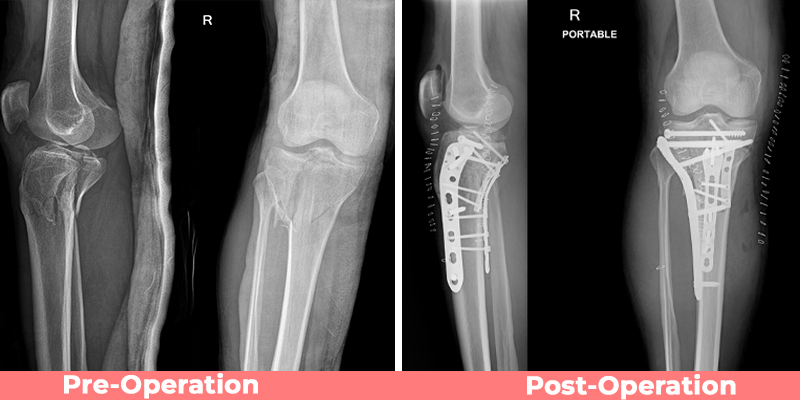
If most of the joint has been affected, replacing the whole knee may provide the best outcome. If the damage is limited to one area, a partial replacement may sometimes be considered instead.
The recommendation depends on what the scans and examination show rather than what sounds like the bigger or smaller operation.
Not every consultation includes robotic surgery, but it’s becoming a much more familiar topic than it was a few years ago. People often ask whether a robot performs the operation on its own. It doesn’t.
The surgeon remains in control throughout the procedure. The robotic system helps with planning and positioning, allowing movements to be carried out with a very high level of precision.
Among the latest knee replacement techniques, robotic-assisted surgery has become an important option for selected patients. According to the information provided, we use the CUVIS robotic system for robotic knee replacement procedures.
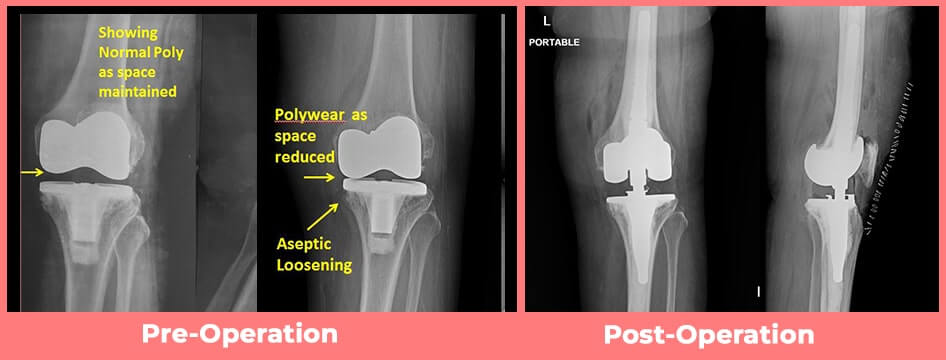
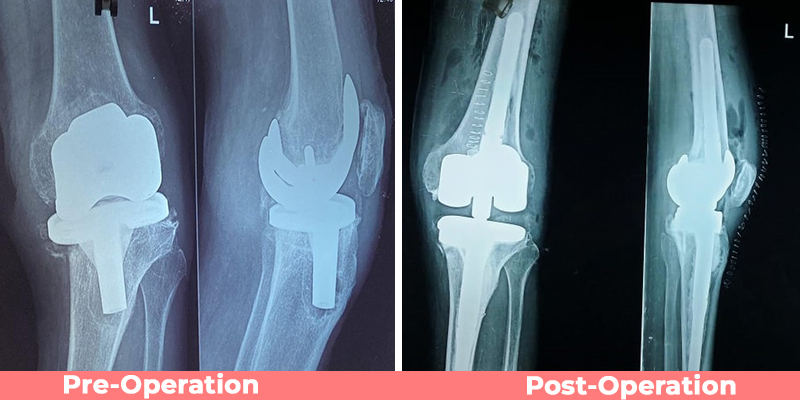
Not every patient is having knee replacement for the first time. Some people had knee replacement years ago and did well for a long time. But over the years, the artificial joint may wear out or another issue may develop.
In those situations, the next operation isn’t a brand-new replacement. It’s a revision procedure. Before deciding what to do next, doctors usually spend time understanding what’s changed since the earlier surgery.
Once people realise there are different ways to perform knee replacement, the next question is usually who should perform it. It’s not only about finding someone who operates regularly. Patients also want a surgeon who can explain why one option makes more sense than another.
That’s one reason many people spend time looking for the best knee replacement surgeon in a Delhi hospital before making a decision.
It’s easy to assume the newest procedure must automatically be the best one. Doctors usually look at it differently.
Someone’s age, the condition of the joint, previous injuries, bone quality, and overall health all become part of the discussion. The recommendation is based on the knee sitting in front of them, not on what’s currently popular.
That’s why conversations about different types of knee replacement usually take a little time. The answer isn’t always obvious during the first appointment.
One of the most common questions isn’t about the operation. It’s about what happens afterwards. By this point, the operation isn’t the only thing on people’s minds. They’re already thinking about what those first few weeks at home might actually be like.
Recovery looks a little different for everyone. Overall health, rehabilitation, and following the recovery plan all play a part. That’s another reason doctors spend time discussing knee replacement surgery types before surgery. The operation is only one part of the overall journey.
Most people go into their first orthopaedic appointment expecting one recommendation. Quite often, they come out realising there were more options than they knew existed.
That’s not because the decision is being made more complicated than it needs to be. It’s because every knee has its own story.
At Sant Parmanand Hospital, the discussion starts with understanding the knee rather than choosing a procedure. Once the condition is clear, doctors can explain which of the available knee replacement surgery types is likely to suit that particular patient best.
Most people start thinking about knee replacement only when the pain begins getting in the way of everyday life. The surgery replaces the worn-out part of the knee so moving around becomes easier again.
Most people are surprised when they find out there isn’t just one option. After looking at your knee, the surgeon will explain which approach makes the most sense for your situation.
It’s usually considered when the knee has become so painful or stiff that everyday life starts getting difficult. The damaged joint is replaced so the knee can work more comfortably again.
More than most people expect. Some patients need the whole knee replaced, while others only need one part of the joint treated.
Your surgeon removes the damaged part of the knee and replaces it with an artificial joint. Exactly how it’s done depends on the condition of the knee.
Doctors don’t really think of it as “best.” They usually recommend the option that suits your knee rather than using the same approach for everyone.
There’s no single timeline. Some people continue doing well with the same replacement for many years before it ever needs attention again.